close

August 2025

Finance

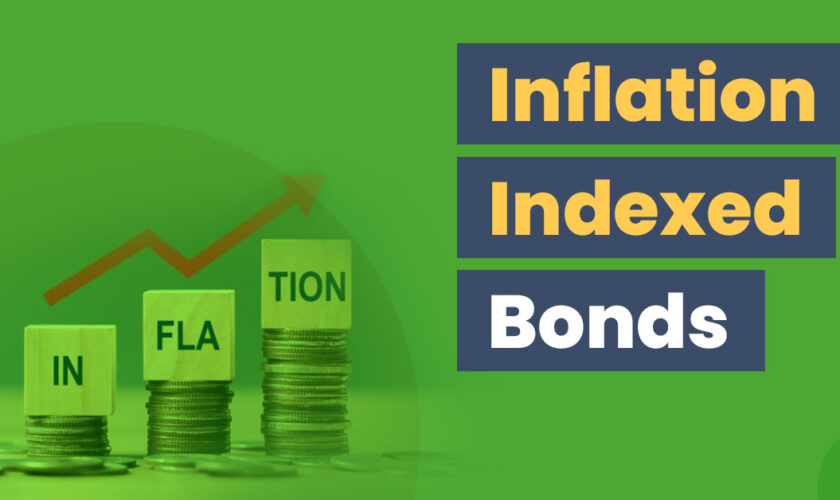
Inflation-Protected Bonds: Tactical Allocation in Rising Rate Environments

Investors navigating today’s financial landscape face an array of challenges, but few are as persistent and pervasive as inflation. As economies expand and central banks adjust interest rates, the real value of fixed-income investments can be eroded, leaving traditional bonds less effective in preserving purchasing power.

In this context, inflation-protected bonds have emerged as a strategic tool for investors seeking stability, income, and protection against rising prices. Understanding how to integrate these instruments into a portfolio is crucial for both risk management and long-term financial planning.

Understanding Inflation-Protected Bonds

Inflation-protected bonds, often referred to as TIPS (Treasury Inflation-Protected Securities) in the United States or indexed bonds in other markets, are designed to provide investors with a return that adjusts according to inflation.

Unlike conventional bonds, which pay a fixed nominal interest rate, the principal of inflation-protected bonds increases with inflation, as measured by a recognised price index such as the Consumer Price Index (CPI). The interest payments, calculated as a percentage of the adjusted principal, consequently rise during periods of higher inflation. This mechanism ensures that the purchasing power of both the principal and the interest payments is maintained, even in rising price environments.

For investors, this adjustment offers a dual benefit: it provides a hedge against inflation while still offering the familiar features of fixed-income securities, such as predictable cash flows and relatively low risk compared to equities.

Importantly, these bonds also respond differently to interest rate changes than traditional bonds. While nominal bonds generally lose value when interest rates rise, inflation-protected bonds have a built-in adjustment that can mitigate this impact, particularly during periods of unexpected inflation.

The Role of Inflation-Protected Bonds in Rising Rate Environments

Rising interest rates often signal an environment where inflationary pressures are present or anticipated. In such scenarios, conventional bond portfolios may face declining market values, as investors demand higher yields on new issues to compensate for increased rates. Inflation-protected bonds, however, offer a strategic counterbalance. Since the principal of these securities adjusts with inflation, their market value tends to be more resilient when inflation expectations rise, even as nominal rates increase.

Tactical allocation to inflation-protected bonds can be particularly effective in environments where rate hikes are driven by concerns over inflation rather than economic weakness. By incorporating these bonds, investors can reduce the duration risk of their fixed-income portfolios, providing a buffer against the adverse effects of rising rates.

Moreover, combining inflation-protected bonds with traditional bonds or other income-generating assets allows for a more diversified fixed-income strategy, enhancing both income stability and capital preservation.

Strategic Allocation Considerations

When integrating inflation-protected bonds into a portfolio, investors must consider several key factors. Firstly, the allocation should align with the broader investment objectives, risk tolerance, and expected economic conditions.

While these bonds protect against inflation, they generally offer lower nominal yields than conventional bonds in low-inflation environments. Consequently, over-allocating can limit potential returns when inflation remains subdued.

Investors should evaluate the duration and maturity profile of the bonds. Shorter-term inflation-protected bonds typically experience less price volatility and offer more predictable adjustments, whereas longer-term securities can provide higher potential inflation compensation but are more sensitive to market interest rate changes. A balanced mix of maturities can help manage these trade-offs effectively.

For a detailed explanation of the mechanics and benefits of these securities, investors may find it helpful to explore this weblink, which offers a comprehensive guide on how inflation-protected bonds work and their role in a diversified portfolio.

Portfolio Implementation and Monitoring

Effective implementation requires more than simply purchasing inflation-protected bonds. Investors should continuously monitor economic indicators, central bank policies, and market inflation expectations to adjust their allocations as conditions evolve. A dynamic approach allows for tactical shifts between nominal and inflation-linked bonds, optimising returns while managing risk.

In addition, investors can use these bonds in combination with other asset classes, such as equities, real assets, or commodities, to further hedge against inflation. Diversification across sectors and geographies also enhances portfolio resilience, mitigating the impact of localised inflation spikes or interest rate changes.

Tax considerations are another important aspect. In some jurisdictions, the inflation adjustments to principal are taxable annually, even though they are not received in cash until maturity. Understanding these tax implications is essential for accurately assessing net returns and ensuring that the portfolio structure aligns with overall financial planning objectives.

Conclusion

In an era characterised by fluctuating interest rates and persistent inflationary pressures, inflation-protected bonds offer investors a compelling tool for tactical allocation. By preserving purchasing power, mitigating interest rate risk, and enhancing portfolio stability, these securities serve as a versatile addition to both conservative and diversified investment strategies.

Strategic implementation requires careful consideration of objectives, market conditions, and maturity profiles, but the benefits are substantial, particularly for those seeking resilience in uncertain economic climates.


read more
Savings

Understanding Savings: The Foundation of Financial Security

Savings is a crucial aspect of personal finance that enables individuals to secure their future, prepare for emergencies, and achieve long-term financial goals. Saving money is more than just setting aside what is left over from your income; it involves disciplined planning, strategic allocation, and understanding how to make money work for you.

Savings provide a safety net for unexpected expenses, allow for investment opportunities, and form the foundation for financial independence. This article explores the types of savings, strategies to maximize them, and practical tips for building a strong financial future.

The Importance of Savings

Savings are essential for multiple reasons, both short-term and long-term:

1. Emergency Preparedness

Unexpected events such as medical emergencies, job loss, or urgent home repairs can disrupt financial stability. Maintaining savings ensures that you can handle these situations without falling into debt.

2. Achieving Financial Goals

Whether buying a home, funding education, or planning a vacation, savings help individuals accumulate funds to achieve specific goals. Planning and saving systematically brings these aspirations within reach.

3. Reducing Financial Stress

Having a financial cushion alleviates stress and provides peace of mind. Knowing you have funds available for emergencies or future needs allows for better decision-making in both personal and professional life.

4. Wealth Creation

Savings, when invested wisely, grow over time. Combining savings with investment strategies enables long-term wealth accumulation, retirement planning, and financial independence.

Types of Savings

Different types of savings accounts and instruments serve distinct purposes. Understanding these options helps in choosing the right vehicle for your money.

1. Traditional Savings Accounts

Offered by banks and credit unions, traditional savings accounts provide a secure place to store money while earning interest. These accounts are ideal for emergency funds and short-term savings.

2. Fixed Deposits (FDs)

Fixed deposits offer higher interest rates than regular savings accounts in exchange for locking in money for a specific period. FDs are low-risk instruments suitable for conservative savers aiming for predictable returns.

3. Recurring Deposits (RDs)

Recurring deposits allow individuals to deposit a fixed amount regularly over a set period. They encourage disciplined saving and help accumulate funds gradually for future goals.

4. High-Yield Savings Accounts

High-yield savings accounts offer higher interest rates compared to traditional savings accounts, often available through online banks. These accounts are ideal for individuals looking to grow their money faster while maintaining liquidity.

5. Retirement Savings Accounts

Accounts like 401(k)s, IRAs, or pension schemes are designed specifically for long-term retirement savings. They offer tax advantages and investment growth opportunities, ensuring financial security during retirement.

6. Investment-Linked Savings

Some savings strategies integrate investments, such as mutual funds or bonds, to achieve higher returns over time. These options involve moderate risk but can significantly enhance long-term wealth.

Effective Savings Strategies

To maximize savings, adopting disciplined strategies and practical habits is essential.

1. Set Clear Goals

Establishing specific, measurable, achievable, relevant, and time-bound (SMART) goals helps guide your saving efforts. Goals could include building an emergency fund, purchasing a house, or funding a child’s education.

2. Create a Budget

Budgeting involves tracking income and expenses, identifying areas to cut back, and allocating a portion of earnings to savings. A well-planned budget ensures consistent contributions toward savings.

3. Automate Savings

Automating transfers to a savings account or investment plan ensures consistency. Scheduled deposits reduce the temptation to spend and help maintain disciplined saving habits.

4. Prioritize High-Interest Debt Repayment

Paying off high-interest debts like credit cards before saving aggressively prevents unnecessary interest accumulation. Debt management improves overall financial health and increases funds available for savings.

5. Maintain an Emergency Fund

Experts recommend keeping 3–6 months’ worth of living expenses in an easily accessible account. An emergency fund prevents financial setbacks during unexpected situations.

6. Regularly Review and Adjust

Periodic reviews of savings goals and progress help identify areas for improvement. Adjusting contributions and strategies based on income changes or new financial goals ensures continuous growth.

How to Grow Savings Effectively

Savings alone may not generate significant wealth unless combined with smart growth strategies:

1. Interest and Compounding

Using accounts that earn interest allows savings to grow over time. Compounding—the process of earning interest on both principal and accumulated interest—accelerates wealth accumulation.

2. Diversified Investments

Allocating a portion of savings to low-risk investments like bonds or moderate-risk options like mutual funds balances security with growth potential. Diversification reduces risk while enhancing returns.

3. Tax-Advantaged Accounts

Utilizing tax-advantaged accounts, such as retirement or education savings plans, reduces taxable income and maximizes growth potential. These accounts incentivize long-term saving.

4. Avoiding Impulsive Spending

Maintaining disciplined spending habits and avoiding impulsive purchases ensures more funds are available for saving and investment growth.

5. Reinvesting Returns

Reinvesting dividends, interest, or profits from savings and investments allows money to grow faster through compounding.

Common Mistakes to Avoid in Savings

Even disciplined savers can make mistakes that undermine their financial security:

  • Neglecting Emergency Funds: Failing to maintain a liquid emergency fund increases reliance on debt during crises.
  • Overestimating Returns: Expecting unusually high returns without understanding risks can lead to financial losses.
  • Ignoring Inflation: Not accounting for inflation erodes the real value of savings over time.
  • Inconsistent Saving: Irregular contributions hinder progress toward financial goals.
  • Over-reliance on Cash Savings: Keeping all savings in low-interest accounts may limit growth potential over the long term.

Benefits of Consistent Savings

The habit of saving money offers numerous benefits:

  • Provides financial security and peace of mind
  • Enables achievement of personal and professional goals
  • Offers protection against unforeseen emergencies
  • Creates opportunities for wealth accumulation and investment
  • Encourages disciplined financial behavior and budgeting skills

Savings are the building blocks of a strong financial foundation, and consistent effort ensures long-term stability and growth.


Conclusion

Savings are essential for financial stability, wealth creation, and peace of mind. By understanding different types of savings, adopting effective strategies, and growing funds through disciplined habits and smart investments, individuals can secure their present and future.

Creating a savings plan, setting goals, automating contributions, and regularly reviewing progress allows anyone to build a robust financial foundation. With careful planning, savings not only provide security but also create opportunities for investment, wealth growth, and long-term financial independence.

FAQ Section

1. What is the best type of savings account for beginners?
Traditional savings accounts are ideal for beginners due to their security, accessibility, and ease of use. High-yield savings accounts offer higher returns for those looking to grow funds faster.

2. How much should I save each month?
Experts recommend saving at least 20% of your monthly income. This can vary based on financial goals, expenses, and income stability.

3. What is an emergency fund, and why is it important?
An emergency fund is a reserve of 3–6 months’ living expenses to cover unexpected events, such as medical emergencies or job loss. It prevents financial stress and reliance on debt.

4. Can savings grow through investments?
Yes, combining savings with investment options like bonds, mutual funds, or retirement accounts can enhance returns and build long-term wealth.

5. How do I avoid overspending and improve my savings?
Creating a budget, tracking expenses, automating savings, and setting clear financial goals help prevent overspending and encourage consistent saving.

6. What is the role of compound interest in savings?
Compound interest allows money to grow faster by earning interest on both the initial principal and accumulated interest, significantly enhancing long-term savings.

7. Are tax-advantaged accounts beneficial for savings?
Yes, tax-advantaged accounts reduce taxable income and maximize growth potential, encouraging long-term saving for retirement, education, or specific financial goals.

read more
Money

Understanding Money: Its Importance and Role in Modern Life

Money is a fundamental aspect of human society, serving as a medium of exchange, a store of value, and a unit of account. From buying essential goods to investing for future growth, money plays a critical role in personal finance, business operations, and global economic systems.

Understanding how money works, how to manage it effectively, and how to grow it through investments is essential for financial stability. This article explores the types of money, management strategies, ways to earn and save, and the role of money in building wealth.

Types of Money

Money exists in several forms, each serving unique purposes in daily life and financial systems.

1. Physical Money

Physical money includes coins and banknotes issued by governments and central banks. It is the most widely recognized form of money used for everyday transactions.

2. Digital Money

Digital money, also called electronic money, represents currency stored in electronic systems, such as bank accounts, mobile wallets, and online payment platforms. Digital money facilitates convenient transactions without the need for physical cash.

3. Cryptocurrency

Cryptocurrencies are decentralized digital assets, like Bitcoin and Ethereum, operating on blockchain technology. Cryptocurrencies are gaining popularity as alternative investments and for secure, peer-to-peer transactions.

4. Commodity Money

Historically, commodities like gold, silver, and other precious metals were used as money due to their intrinsic value. Today, commodities still play a role in investment portfolios and wealth preservation.

5. Fiat Money

Fiat money is government-issued currency not backed by physical commodities but declared legal tender. Its value is maintained through public trust and government regulation.

How Money Works in the Economy

Money drives economic activity by facilitating trade, investment, and savings. Its flow in the economy influences consumption, production, and overall financial stability.

  • Medium of Exchange: Money enables buying and selling goods and services efficiently.
  • Store of Value: It retains purchasing power over time, allowing savings and deferred consumption.
  • Unit of Account: Money provides a standard measure to value goods, services, and assets.
  • Liquidity: Money’s high liquidity makes it easily convertible into goods, services, or other assets.

Central banks regulate money supply, interest rates, and inflation to ensure economic stability. Understanding these principles helps individuals and businesses make informed financial decisions.

Money Management Strategies

Effective money management is key to financial security and wealth building.

1. Budgeting

Budgeting is the process of planning income and expenses to avoid overspending. Creating a monthly budget helps track spending, prioritize essential expenses, and allocate funds for savings and investments.

2. Saving

Saving involves setting aside a portion of income for future needs. Savings can be stored in bank accounts, fixed deposits, or other low-risk instruments. Consistent saving habits provide financial security during emergencies and for long-term goals.

3. Debt Management

Managing debt responsibly ensures financial stability. Borrowers should maintain a manageable debt-to-income ratio, prioritize high-interest debt repayment, and avoid unnecessary borrowing. Proper debt management preserves credit scores and reduces financial stress.

4. Investment Planning

Investing money wisely allows it to grow over time. Investments can include stocks, bonds, mutual funds, real estate, and retirement accounts. Diversification and understanding risk tolerance are crucial for successful investment planning.

5. Emergency Fund

An emergency fund covers unexpected expenses like medical emergencies, job loss, or urgent repairs. Experts recommend maintaining 3-6 months’ worth of living expenses in a liquid, easily accessible account.

Ways to Earn Money

Earning money requires skills, effort, and strategic planning.

1. Employment

Traditional employment provides a steady income through salaries or wages. Skills, experience, and education often determine earning potential.

2. Business and Entrepreneurship

Starting a business offers opportunities for higher income and financial independence. Successful entrepreneurs leverage market demand, innovation, and management skills to generate revenue.

3. Freelancing and Gig Economy

Freelancing and gig work provide flexible income sources. Platforms for writing, graphic design, programming, and other services allow individuals to earn money on a project basis.

4. Investments

Investments in stocks, real estate, bonds, or mutual funds generate passive income through dividends, interest, or capital gains. Strategic investing increases wealth without continuous active effort.

5. Side Hustles

Side hustles like online tutoring, affiliate marketing, or content creation supplement primary income. They help diversify income sources and improve financial resilience.

Smart Ways to Save Money

Saving money effectively involves discipline, planning, and smart financial habits.

  • Automate Savings: Set up automatic transfers to savings or investment accounts to ensure consistency.
  • Cut Unnecessary Expenses: Identify non-essential spending and redirect funds toward savings or investments.
  • Use Discounts and Offers: Take advantage of cashback, discounts, and reward programs to reduce expenses.
  • Avoid Impulsive Spending: Plan purchases and evaluate needs versus wants to prevent overspending.
  • Monitor Financial Goals: Track savings progress to stay motivated and make adjustments as necessary.

The Role of Money in Wealth Creation

Money, when managed and invested wisely, becomes a tool for wealth creation. Key principles include:

  • Compound Growth: Reinvesting earnings allows money to grow exponentially over time.
  • Diversification: Spreading investments across various assets reduces risk and improves potential returns.
  • Financial Education: Understanding financial markets, taxation, and investment strategies enhances decision-making.
  • Long-Term Planning: Setting clear financial goals for retirement, education, or property acquisition ensures sustained wealth accumulation.

Common Money Mistakes to Avoid

Avoiding financial pitfalls is essential for maintaining and growing money.

  • Living Beyond Means: Overspending leads to debt accumulation and financial stress.
  • Ignoring Inflation: Failing to account for inflation erodes purchasing power over time.
  • High-Risk Investments Without Knowledge: Investing in complex or volatile assets without understanding risks can cause losses.
  • Neglecting Emergency Funds: Without a safety net, unexpected expenses may require high-interest borrowing.
  • Ignoring Financial Planning: Lack of planning can lead to missed opportunities for savings and investment growth.

Conclusion

Money is more than just a medium of exchange—it is a tool for achieving financial goals, security, and independence. Understanding the types of money, effective management strategies, ways to earn, save, and invest, and avoiding common mistakes are essential steps toward financial literacy and stability.

By adopting disciplined budgeting, strategic investing, and continuous financial education, individuals can leverage money to build wealth, achieve personal goals, and create a secure future.

FAQ Section

1. What are the different forms of money?
Money can exist as physical currency, digital money, cryptocurrency, commodity money, or fiat money, each serving unique purposes in the economy.

2. How can I manage money effectively?
Effective money management includes budgeting, saving, debt management, investment planning, and maintaining an emergency fund.

3. What is the importance of saving money?
Saving money ensures financial security, provides for emergencies, and allows investment in long-term goals like property, education, or retirement.

4. How can money help in wealth creation?
Through disciplined saving, strategic investments, compound growth, and diversification, money can grow over time to build wealth.

5. What are common mistakes people make with money?
Common mistakes include overspending, ignoring inflation, investing without knowledge, neglecting emergency funds, and lack of financial planning.

6. What is the role of digital money and cryptocurrency?
Digital money facilitates convenient online transactions, while cryptocurrency provides a decentralized, secure medium for payments and investments.

7. How can I increase my income?
Income can be increased through employment growth, entrepreneurship, freelancing, investments, and side hustles to diversify revenue streams.

read more
Loan

Understanding Loans: A Comprehensive Guide

A loan is a financial agreement where a lender provides money to a borrower with the understanding that the borrower will repay the principal amount along with interest over a specified period. Loans are essential financial instruments that facilitate personal, business, and economic growth. They help individuals achieve goals like buying a home, financing education, or managing emergencies, while businesses use loans to expand operations, invest in infrastructure, and maintain cash flow.

Understanding the various types of loans, interest structures, eligibility criteria, and repayment options is critical to making informed financial decisions. Proper management of loans can improve credit scores, reduce financial stress, and help achieve long-term financial goals.

Types of Loans

Loans come in many forms, each designed for specific purposes. Choosing the right type depends on your financial needs, repayment capacity, and risk tolerance.

1. Personal Loans

Personal loans are unsecured loans provided for various individual purposes, such as medical expenses, travel, debt consolidation, or home renovations. Since they are unsecured, interest rates are typically higher than secured loans, and lenders evaluate credit scores, income, and repayment capacity before approval.

2. Home Loans

Home loans, also known as mortgages, are secured loans used to purchase residential or commercial property. They have long repayment tenures, usually ranging from 10 to 30 years, and lower interest rates compared to personal loans due to the collateral provided by the property.

3. Auto Loans

Auto loans help individuals purchase vehicles, including cars, motorcycles, and commercial vehicles. These loans are secured against the vehicle and typically have shorter repayment periods, ranging from 2 to 7 years. Interest rates may vary based on the borrower’s credit profile and the type of vehicle.

4. Education Loans

Education loans finance higher education or professional courses, both domestically and internationally. They cover tuition fees, accommodation, and other educational expenses. Many lenders offer concessional interest rates, deferred repayment options, and flexible repayment plans for students.

5. Business Loans

Business loans provide capital for small, medium, and large enterprises. They can be used for working capital, expansion, equipment purchase, or operational expenses. Lenders often require detailed business plans, financial statements, and collateral for approval.

6. Payday Loans

Payday loans are short-term, high-interest loans intended to cover urgent expenses until the borrower’s next paycheck. They are risky due to high interest rates and fees and should be used cautiously.

7. Debt Consolidation Loans

Debt consolidation loans combine multiple debts into a single loan with a lower interest rate or manageable repayment schedule. They help simplify finances, reduce stress, and improve credit scores over time.

Loan Interest Rates and Structures

Interest rates are the cost of borrowing and vary depending on the type of loan, creditworthiness of the borrower, and prevailing market conditions.

1. Fixed Interest Rate

A fixed interest rate remains constant throughout the loan tenure. Borrowers benefit from predictable monthly installments and can plan their finances efficiently. Fixed rates are common in personal loans, home loans, and some business loans.

2. Floating Interest Rate

Floating rates fluctuate with market conditions or benchmark rates, such as LIBOR or RBI repo rates. While initial rates may be lower, borrowers face uncertainty as rates can increase or decrease over time. Floating rates are often offered in home loans and corporate loans.

3. Simple Interest

Simple interest is calculated on the principal amount of the loan for a specific period. It is straightforward and easier to understand, commonly used in personal loans or short-term loans.

4. Compound Interest

Compound interest accrues on both the principal and the accumulated interest, resulting in higher overall repayment. It is widely used in long-term loans like home loans or investment-linked loans.

Eligibility Criteria for Loans

Loan eligibility depends on factors like creditworthiness, income, employment status, and existing financial obligations.

  • Credit Score: A high credit score improves approval chances and qualifies borrowers for lower interest rates.
  • Income: Lenders assess the borrower’s income to ensure repayment capacity. Higher stable income increases eligibility.
  • Employment Status: Salaried individuals often have easier access to loans, while self-employed applicants may need additional documentation.
  • Existing Debts: Lenders evaluate current liabilities to determine debt-to-income ratio and avoid over-indebtedness.
  • Collateral: For secured loans like home or auto loans, lenders require assets as collateral to mitigate risk.

Loan Application Process

Applying for a loan involves several steps to ensure eligibility and approval.

  1. Research and Comparison: Evaluate different lenders, interest rates, repayment terms, and fees.
  2. Documentation: Prepare essential documents such as identity proof, income statements, bank statements, property documents (if applicable), and credit reports.
  3. Application Submission: Complete the loan application form and submit documents online or at the lender’s branch.
  4. Verification and Approval: Lenders verify documents, credit scores, and financial standing before approving the loan.
  5. Disbursement: Upon approval, the loan amount is transferred to the borrower’s account or used directly for the intended purpose.
  6. Repayment: Borrowers repay monthly installments based on the agreed interest and tenure. Timely repayment maintains creditworthiness and avoids penalties.

Tips for Choosing the Right Loan

Selecting the right loan requires careful analysis of your financial situation and loan options.

  • Evaluate Your Need: Determine if the loan is essential or if alternatives like savings or assistance programs can meet your needs.
  • Compare Interest Rates: Even small differences in interest rates can significantly impact total repayment.
  • Check Hidden Fees: Look for processing fees, prepayment penalties, late payment charges, and other hidden costs.
  • Understand Repayment Terms: Ensure the repayment schedule aligns with your cash flow and income cycle.
  • Assess Lender Reputation: Choose trusted banks or financial institutions with transparent practices and customer support.
  • Borrow Responsibly: Avoid taking excessive loans that strain finances and increase default risk.

Benefits of Loans

Loans provide multiple advantages for individuals and businesses when used responsibly:

  • Financial Flexibility: Loans enable access to funds when immediate cash is not available.
  • Wealth Creation: Home and business loans allow investment in assets that can appreciate over time.
  • Credit Building: Timely repayment improves credit history and increases future loan eligibility.
  • Business Growth: Loans support capital expansion, hiring, and operational efficiency.
  • Emergency Support: Personal or short-term loans can cover unforeseen medical or emergency expenses.

Common Mistakes to Avoid with Loans

Improper management of loans can lead to financial stress and long-term debt issues:

  • Ignoring Loan Terms: Not understanding interest rates, tenure, or fees can result in overpayment.
  • Overborrowing: Taking loans beyond repayment capacity leads to defaults and credit damage.
  • Late Payments: Missed or delayed installments attract penalties and affect credit scores.
  • High-Interest Short-Term Loans: Payday or fast loans can become costly traps if not managed carefully.
  • Not Comparing Lenders: Settling for the first offer may result in higher rates or unfavorable terms.

Conclusion

Loans are powerful financial tools that provide access to funds for personal, educational, and business needs. Understanding the types of loans, interest rates, eligibility criteria, and repayment obligations is crucial to make informed decisions. Proper research, responsible borrowing, and timely repayment not only facilitate financial growth but also enhance creditworthiness.

By evaluating loan options, comparing rates, and assessing personal financial capacity, borrowers can use loans effectively to achieve their goals while maintaining financial stability.

FAQ Section

1. What is the difference between secured and unsecured loans?
Secured loans require collateral, such as property or vehicles, to reduce lender risk, whereas unsecured loans do not, making them higher risk with higher interest rates.

2. How can I improve my loan approval chances?
Maintaining a good credit score, stable income, minimal existing debt, and proper documentation increases approval likelihood.

3. Can I repay a loan early without penalties?
Some lenders allow prepayment or partial repayment without penalties, while others charge fees. Always check the loan agreement before prepaying.

4. What happens if I miss a loan installment?
Missing installments leads to late fees, increased interest, and negative impact on credit score, making future borrowing difficult.

5. Are personal loans tax-deductible?
Typically, personal loans are not tax-deductible, but interest on home loans, education loans, and certain business loans may qualify for deductions.

6. What is a debt consolidation loan?
A debt consolidation loan combines multiple debts into a single loan with a lower interest rate, simplifying repayments and reducing financial stress.

7. How do interest rates affect loan repayment?
Higher interest rates increase total repayment, while lower rates reduce the financial burden. Comparing rates across lenders is essential for cost-effective borrowing.

read more
Investment

Understanding Investment: A Comprehensive Guide

Investment is the strategic allocation of money or resources with the expectation of generating a return over time. It is one of the most essential tools for building wealth, securing financial stability, and achieving long-term financial goals. Investments can take many forms, from stocks and bonds to real estate, mutual funds, and digital assets like cryptocurrencies.

The goal of investment is to grow capital, preserve value against inflation, and generate income. Effective investment requires careful planning, understanding risk and reward, and aligning choices with personal or organizational objectives. Whether for individuals, corporations, or governments, investment decisions shape financial security and economic growth.

Types of Investment

Investment comes in various forms, each with its own characteristics, risks, and potential returns. Understanding these types helps investors select the most suitable options based on their goals, risk appetite, and investment horizon.

1. Stocks

Stocks, also known as equities, represent ownership in a company. Investors earn returns through capital appreciation and dividends. Stocks are popular for long-term growth but carry higher risk due to market volatility. Investing in diverse sectors or using mutual funds can reduce stock-specific risks.

2. Bonds

Bonds are debt instruments issued by governments, municipalities, or corporations. Investors lend money to issuers in exchange for periodic interest payments and the return of principal at maturity. Bonds are generally less risky than stocks and are suitable for income-focused and conservative investors.

3. Real Estate

Real estate investment involves purchasing property for rental income, capital appreciation, or both. It can include residential, commercial, or industrial properties. Real estate offers tangible assets, potential tax benefits, and portfolio diversification but may require significant capital and management efforts.

4. Mutual Funds

Mutual funds pool money from multiple investors to invest in a diversified portfolio of stocks, bonds, or other assets. They offer professional management and diversification, making them ideal for investors seeking balanced risk and return.

5. Exchange-Traded Funds (ETFs)

ETFs are similar to mutual funds but trade on stock exchanges. They offer liquidity, diversification, and lower fees compared to mutual funds. ETFs can track indices, sectors, commodities, or other asset classes.

6. Cryptocurrencies

Digital assets like Bitcoin and Ethereum are high-risk, high-reward investments. Cryptocurrency markets are highly volatile, but they attract investors seeking potentially rapid returns and portfolio diversification beyond traditional assets.

7. Commodities

Investments in commodities such as gold, silver, oil, and agricultural products can hedge against inflation and diversify a portfolio. Commodity prices can fluctuate due to supply-demand changes, geopolitical factors, and market speculation.

Principles of Successful Investment

To achieve investment success, it is essential to follow certain principles and strategies that manage risk while maximizing returns.

1. Diversification

Diversification spreads investments across different asset classes, sectors, and geographies. It reduces exposure to a single investment and balances risk and return. A well-diversified portfolio can weather market volatility and provide stable growth.

2. Risk Assessment

Every investment carries a degree of risk. Understanding risk tolerance, market conditions, and investment horizon is critical. Conservative investors may prioritize bonds or fixed-income assets, while aggressive investors may prefer equities or alternative investments.

3. Long-Term Perspective

Investments often require time to realize returns. Long-term investing allows compounding, reduces the impact of short-term volatility, and increases the likelihood of achieving financial goals. Patience and consistency are key to long-term wealth growth.

4. Research and Analysis

Effective investment decisions rely on thorough research, market analysis, and understanding the fundamentals of the asset. Technical analysis, financial statements, and economic trends help identify opportunities and avoid poor investments.

5. Regular Monitoring

Continuous evaluation of investments ensures alignment with goals and market conditions. Rebalancing the portfolio, adjusting asset allocation, and reviewing performance help optimize returns and manage risk.

6. Tax Efficiency

Considering the tax implications of investments enhances net returns. Utilizing tax-advantaged accounts, harvesting tax losses, and choosing tax-efficient investment vehicles can significantly impact overall performance.

Investment Strategies

Different investment strategies cater to varying financial objectives, risk tolerance, and market conditions.

1. Growth Investing

Growth investing focuses on assets expected to grow at an above-average rate. Stocks of emerging companies or sectors are common targets. This strategy aims for capital appreciation rather than immediate income.

2. Value Investing

Value investors seek undervalued assets with strong fundamentals. By purchasing investments below their intrinsic value, investors aim to profit when the market recognizes the asset’s true worth.

3. Income Investing

Income-focused strategies target assets that provide regular returns, such as dividends, interest, or rental income. Bonds, dividend-paying stocks, and real estate are popular choices.

4. Dollar-Cost Averaging

This approach involves investing a fixed amount regularly, regardless of market conditions. Dollar-cost averaging reduces the impact of market volatility and prevents poor timing decisions.

5. Passive Investing

Passive investing uses low-cost index funds or ETFs to track market indices. This strategy reduces transaction costs, requires less active management, and often outperforms actively managed portfolios over time.

6. Speculative Investing

Speculative investments carry high risk and potential high returns. Cryptocurrencies, options, and commodities can offer speculative opportunities, but careful analysis and risk management are essential.

Risk Management in Investment

Risk management is crucial to safeguard capital and optimize returns. Investors should consider the following methods:

  • Asset Allocation: Spreading investments across asset classes reduces exposure to any single market.
  • Hedging: Using financial instruments like options or futures can protect against adverse market movements.
  • Stop-Loss Orders: Setting automatic sell orders limits potential losses in volatile markets.
  • Emergency Fund: Maintaining liquidity ensures that investors can meet short-term needs without liquidating investments prematurely.
  • Insurance: For certain investments like real estate, insurance mitigates potential financial losses.

Benefits of Investment

Investing wisely offers multiple advantages for individuals and businesses:

  • Wealth Creation: Investments generate income, capital appreciation, and financial security.
  • Inflation Protection: Certain investments, like stocks and real estate, grow faster than inflation, preserving purchasing power.
  • Financial Independence: Effective investing builds passive income streams, reducing reliance on employment income.
  • Economic Contribution: Investments fuel business growth, job creation, and overall economic development.
  • Portfolio Diversification: A mix of investments balances risk and improves long-term returns.

Common Mistakes to Avoid in Investment

While investing offers rewards, mistakes can be costly:

  • Lack of Research: Investing without understanding the asset or market can lead to losses.
  • Overtrading: Frequent buying and selling increase costs and reduce overall returns.
  • Ignoring Diversification: Concentrating investments in one asset or sector amplifies risk.
  • Emotional Investing: Decisions driven by fear or greed can lead to poor timing and losses.
  • Neglecting Tax Implications: Taxes can erode returns if not considered in the strategy.

Conclusion

Investment is a powerful tool for achieving financial goals, building wealth, and securing a prosperous future. Understanding types of investments, applying sound strategies, managing risk, and staying informed are essential components of successful investing.

Whether you are a beginner seeking to grow savings or an experienced investor aiming to optimize returns, investment requires patience, discipline, and informed decision-making. By diversifying assets, analyzing risks, and maintaining a long-term perspective, you can leverage investment opportunities to achieve financial independence and stability.

FAQ Section

1. What is the best type of investment for beginners?
Mutual funds, ETFs, and government bonds are often recommended for beginners due to professional management, diversification, and relatively lower risk.

2. How much should I invest initially?
The initial investment depends on financial goals, risk tolerance, and investment horizon. Starting small and increasing contributions over time through strategies like dollar-cost averaging is effective.

3. What is the difference between growth and value investing?
Growth investing focuses on assets with high potential for future growth, while value investing seeks undervalued assets with strong fundamentals that may increase in value over time.

4. Are cryptocurrencies a safe investment?
Cryptocurrencies are highly volatile and speculative. They may offer high returns but come with significant risk, so they should represent only a portion of a diversified portfolio.

5. How do I manage investment risk?
Diversify across assets, use hedging strategies, set stop-loss orders, maintain an emergency fund, and regularly monitor investments to manage risk effectively.

6. Can investment income replace my regular job income?
With consistent investing and proper asset allocation, passive income from investments can supplement or eventually replace regular employment income over time.

7. Should I invest for short-term or long-term goals?
Short-term goals often require low-risk, liquid assets, while long-term goals benefit from growth-oriented investments that can compound over time.

read more