close

Shaun Burns

Savings

How to Create a Savings Plan That Works

Saving money is rarely a matter of raw willpower. Most people know they should set money aside for the future, yet traditional budgeting methods often break down within a few months. The reason is simple: conventional savings advice tends to rely on extreme restriction, vague targets, and manual effort. When unexpected expenses arise or motivation wanes, these rigid systems collapse.
A successful savings plan functions differently. It is not an exercise in deprivation, but a structured financial architecture designed to align your daily spending with your long-term goals. By establishing clear targets, automating key transfers, tracking cash flow accurately, and building psychological flexibility into your budget, you can develop a sustainable financial framework that works under real-world conditions.

Establishing Concrete Financial Objectives

A vague desire to save more money rarely translates into lasting progress. To build momentum, your savings goals must be clearly defined, quantified, and categorized by timeline.
  • Short-Term Targets (Zero to Twelve Months): These funds cover immediate, non-recurring obligations and personal milestones. Examples include building a starter cash cushion, paying for annual insurance premiums, covering holiday shopping, or taking a planned vacation. Short-term goals keep you from leaning on credit cards for expected annual expenses.
  • Medium-Term Targets (One to Five Years): These objectives require dedicated monthly contributions over several years. Common examples include accumulating a down payment on a home, purchasing a reliable vehicle in cash, funding a major home renovation, or paying for professional certifications.
  • Long-Term Targets (Five Years and Beyond): Long-term capital accumulation focuses on wealth building, retirement readiness, and financial independence. These funds are generally invested in productive assets rather than left in basic bank accounts, allowing compound interest to work over multiple decades.

Auditing and Tracking Cash Flow Accurately

Before you can determine how much you can save, you must have an uncompromising view of your current net cash flow. Estimating your spending from memory almost always leads to significant undercounting.
  • Gather Past Financial Records: Examine bank statements, credit card statements, and digital payment receipts from the previous three to six months. This captures your average monthly spending while accounting for irregular bills.
  • Categorize Fixed Versus Variable Costs: Separate non-negotiable living expenses such as rent, mortgage payments, auto loans, and insurance from variable spending like dining out, entertainment, and personal shopping.
  • Identify Subconscious Spending Leaks: Recurring monthly subscriptions, unmonitored delivery service fees, convenience purchases, and unused gym memberships quietly drain cash reserves. Eliminating these frees up immediate capital for your savings plan.
  • Calculate True Monthly Surplus: Subtract your total monthly spending from your total take-home pay. This figure represents your actual baseline savings capacity before making any structural adjustments.

Structuring Your Budget for Consistency

A savings plan must operate inside a clear, repeatable budgeting framework. Rather than tracking every individual cent indefinitely, choose a framework that naturally reinforces your savings targets.
  • The Fifty-Thirty-Twenty Allocation Method: Allocate fifty percent of your net income to essential needs, thirty percent to discretionary wants, and direct the remaining twenty percent straight into savings and debt reduction. This creates an automatic ceiling on lifestyle inflation.
  • The Zero-Based Budgeting Approach: Assign every dollar of income a specific job before the month begins. Income minus expenditures, investments, and dedicated savings must equal zero. This method is exceptionally effective for individuals needing strict accountability to eliminate revolving debt.
  • The Pay-Yourself-First Model: Instead of saving whatever cash happens to remain at the end of the month, treat your savings contribution like a non-negotiable bill. The specified amount is transferred to savings immediately on payday, forcing you to live on the remaining balance.

Automating the Entire Savings System

Relying on memory or monthly discipline introduces friction and human error. The most reliable savings plans run almost entirely on automated banking systems.
  • Set Up Split Payroll Direct Deposits: Instruct your employer payroll department to split your paycheck automatically across multiple accounts. Have a fixed percentage or specific dollar amount land directly in your savings account, while the balance goes to your primary checking account for regular bills.
  • Schedule Automated Recurring Transfers: If your employer does not offer split direct deposit, schedule automatic bank transfers from your primary checking account to your dedicated savings accounts for the exact day your salary clears.
  • Utilize Goal-Specific High-Yield Accounts: Avoid lumping all your cash into a single basic savings account. Establish separate digital sub-accounts for distinct goals such as emergency reserves, travel, vehicle maintenance, and home repairs. This prevents accidental spending across categories.
  • Remove Artificial Friction to Spending Hurdles: Unlink your savings accounts from everyday digital payment apps and avoid carrying debit cards linked directly to your primary savings reserves. Adding a minor obstacle to accessing these funds prevents impulse withdrawals.

Optimizing Storage Accounts for Maximum Efficiency

Where you hold your accumulated savings matters as much as the habits used to build them. Matching each savings category to the proper financial instrument protects your purchasing power and maintains required liquidity.
  • High-Yield Savings Accounts (HYSAs): Ideal for emergency reserves and short-term targets. These federally insured accounts offer yields significantly higher than standard brick-and-mortar checking or savings accounts without exposing principal to market risk.
  • Certificates of Deposit (CDs): Useful for fixed medium-term goals with a known completion date, such as a home down payment needed in exactly eighteen months. CDs lock in a guaranteed interest rate in exchange for keeping the capital untouched for the agreed term.
  • Short-Term Treasury Bills: Government-backed debt instruments that provide competitive interest rates and exemptions from state and local income taxes, making them attractive for holding larger cash reserves.
  • Tax-Advantaged Retirement Vehicles: For long-term goals, direct funds into employer-sponsored 401(k) accounts, traditional IRAs, or Roth IRAs. These accounts provide substantial tax incentives that accelerate compounding over time.

Maintaining Motivation and Adapting Over Time

A rigid plan that refuses to adjust to real life is destined to fail. Building resilience into your routine ensures you stay consistent when circumstances change.
  • Incorporate Planned Guilt-Free Spending: Depriving yourself of all leisure activities inevitably leads to budget fatigue and binge spending. Intentionally allocating a dedicated sum each month for entertainment and hobbies makes your overall plan sustainable.
  • Conduct a Quarterly Strategy Review: Schedule a quarterly review to assess your progress, recalibrate target dates, and celebrate milestones reached.
  • Adjust for Income Increases: Whenever you receive a raise, bonus, or profitable side-income stream, allocate at least fifty percent of that new surplus directly toward your savings and investment accounts before expanding your standard of living.
  • Recalibrate After Financial Shocks: When an unexpected emergency requires you to spend savings, treat it as a success of the system, not a failure. Adjust your monthly targets temporarily to rebuild the cash cushion without abandoning your overall structure.

Frequently Asked Questions

How does an individual start saving when living strictly paycheck to paycheck?
Starting requires micro-adjustments rather than massive overhauls. Begin by saving very small amounts, such as ten or twenty dollars per week, to build the behavioral routine of setting capital aside. Simultaneously, conduct an aggressive audit of variable spending, pause all subscription services, and direct any temporary windfalls, such as tax refunds or overtime pay, straight into a starter cushion until cash flow expands.
What is the recommended balance between aggressive debt payoff and building cash savings?
A strategic approach balances both priorities. First, build a basic cash reserve of one to two thousand dollars to protect against unexpected daily emergencies. Once that cushion is secure, channel all surplus discretionary cash toward eliminating high-interest debt, such as credit cards. After high-interest balances are cleared, reallocate those former debt payments toward fully funding your core savings targets.
How many distinct savings accounts or sub-accounts should one person manage?
Most individuals manage their finances efficiently with four to six designated accounts: a main checking account for monthly bills, a buffer checking account for discretionary personal spending, an emergency fund account, and two or three sub-accounts for distinct medium-term targets like vacations, vehicle replacement, or home repairs. Using clear labels for each account prevents funds from being spent on the wrong purpose.
How should a savings plan adapt during periods of high consumer inflation?
During high inflation, holding excessive cash in standard, low-interest checking accounts leads to an erosion of purchasing power. Keep emergency cash strictly in competitive High-Yield Savings Accounts or short-term Treasury instruments that track benchmark interest rates. For savings timelines exceeding five years, allocate funds toward productive growth assets like diversified index funds, which historically outpace inflation.
How can someone create a reliable savings plan with irregular or seasonal commission income?
Individuals with variable income must calculate their baseline living expenses using their lowest-earning month from the previous year. Base your core monthly budget on that conservative baseline number. During high-income months, channel all surplus revenue into a dedicated income-smoothing account. During lean months, draw from the smoothing account to maintain consistent baseline spending and automated savings contributions.
When is it appropriate to pause contributions to a savings plan?
Pausing contributions is appropriate during acute financial crises, such as prolonged involuntary unemployment, serious medical emergencies, or when facing immediate eviction or foreclosure. In these situations, capital preservation for absolute survival needs takes precedence. Once the crisis stabilizes and basic income is restored, restart contributions immediately.
What is the difference between an emergency fund and a sinking fund?
An emergency fund is reserved strictly for unexpected, urgent events that cannot be predicted, such as job loss or sudden medical bills. A sinking fund is dedicated savings accumulated over time for a predictable, expected future expense that occurs irregularly, such as annual car maintenance, property tax bills, or planned home appliance replacements.

read more
Savings

How to Build an Emergency Savings Fund

Financial stability is rarely tested during predictable times. It is tested when the furnace breaks in the middle of winter, an unexpected medical bill arrives, or a sudden layoff halts your primary source of income. Without a dedicated financial cushion, these inevitable life events often force people into high-interest credit card debt, personal loans, or early withdrawals from retirement accounts.
An emergency savings fund acts as personal insurance against life’s uncertainties. It is not an investment vehicle meant to generate massive returns, nor is it a pool of money for planned vacations or home upgrades. It is a strictly preserved buffer designed to provide peace of mind and protect your long-term wealth from derailment. Establishing this safety net requires clear calculations, disciplined habits, and the right financial infrastructure.

Understanding the Purpose of an Emergency Fund

Before allocating money, you must define what constitutes a true financial emergency. Confusing unexpected wants with non-negotiable needs is the most common reason savings funds fail to grow.
  • Immediate Health Needs: Unforeseen medical, dental, or veterinary procedures that require urgent payment.
  • Essential Income Replacement: Covering basic household survival costs following a job loss, reduction in working hours, or prolonged illness.
  • Critical Transportation Repairs: Fixing a primary vehicle needed for commuting to work when public transit is not a viable alternative.
  • Urgent Home Maintenance: Addressing structural or mechanical failures that threaten safety or habitability, such as a burst water pipe, broken roof, or failed heating system.
  • Non-Emergencies to Avoid: Holiday shopping, seasonal clothing sales, social events, predictable vehicle registration fees, or impulse electronic purchases.

Calculating Your Baseline Target

A common rule of thumb suggests saving three to six months of expenses, but your exact target depends heavily on your unique household risk profile and baseline spending.
  • Isolate Essential Living Costs: Calculate only what you need to survive each month. This includes rent or mortgage payments, basic utilities, core groceries, minimum debt obligations, insurance premiums, and essential prescriptions. Exclude dining out, streaming subscriptions, discretionary shopping, and luxury expenses.
  • The Three-Month Target: This tier suits dual-income households with stable, salaried jobs in resilient industries, no dependents, low debt, and predictable monthly expenses.
  • The Six-Month Target: This is the standard recommendation for single-income households, families with young children or elderly dependents, homeowners, or workers in cyclical industries prone to seasonal layoffs.
  • The Nine-to-Twelve-Month Target: This higher threshold is ideal for self-employed individuals, independent contractors, commission-only sales professionals, or workers with highly specialized careers where finding comparable employment could take up to a year.

Structuring the Savings Process in Progressive Milestones

Attempting to save ten thousand or twenty thousand dollars all at once can feel overwhelming, often leading to analysis paralysis. Breaking the target into structured stages makes the process manageable and builds steady momentum.
  • Milestone One: The Starter Cushion of One Thousand Dollars: Your immediate goal is to amass a starter fund as fast as humanly possible. This modest barrier stops minor inconveniences, like a flat tire or an urgent doctor visit, from being put on a credit card.
  • Milestone Two: One Full Month of Basic Expenses: Once the starter buffer is secure, expand your savings to cover thirty days of absolute survival costs. Reaching this point provides emotional relief and breaks the paycheck-to-paycheck cycle.
  • Milestone Three: Three Months of Core Overhead: Expand the reserve until it can sustain your household through a standard quarter of unemployment or income disruption.
  • Milestone Four: The Fully Funded Target: Continue systematically funding the account until you hit your customized six-to-twelve-month goal based on your career and lifestyle risk factors.

Choosing the Right Home for Your Emergency Cash

Where you keep your emergency fund is just as critical as how much you save. The ideal account must balance instant liquidity with capital preservation.
  • High-Yield Savings Accounts (HYSAs): Online banks typically offer high-yield savings accounts that pay interest rates significantly higher than traditional brick-and-mortar institutions. These accounts keep your principal secure, liquid, and separate from everyday spending money while generating enough yield to blunt the effects of inflation.
  • Money Market Deposit Accounts: Available at many credit unions and banks, these accounts function similarly to savings accounts but often include debit card access or limited check-writing capabilities, offering convenient accessibility during urgent situations.
  • Short-Term US Treasury Bills: For secondary layers of a large emergency fund (such as months four through twelve), rotating short-term government obligations provides state-tax-exempt income backed by the federal government, while remaining highly liquid.
  • Accounts to Avoid: Never place emergency savings into individual stocks, mutual funds, cryptocurrency, or long-term certificates of deposit (CDs) that carry steep early withdrawal penalties. Market declines can wipe out value precisely when you need cash the most.

Practical Strategies to Accelerate Your Savings

Building a multi-month cash buffer requires capturing extra cash flow and directing it toward your savings goals without friction.
  • Automate Direct Deposits: Set up a split direct deposit through your employer payroll system so that a fixed percentage or specific dollar amount from each paycheck goes directly into your emergency account before it ever lands in your primary checking account.
  • Conduct a Line-Item Budget Audit: Review the past three months of bank and credit card statements. Identify and eliminate recurring subscription services you rarely use, negotiate lower rates on home internet and auto insurance, and cap discretionary lifestyle expenses.
  • Direct Windfalls to Savings: Commit to depositing one hundred percent of non-standard income straight into your emergency fund. This includes tax refunds, annual performance bonuses, cash gifts, overtime pay, and revenue from selling unused household items.
  • Institute a Temporary Spending Pause: Dedicate a specific month to a no-spend challenge, where you spend money solely on non-negotiable living essentials and funnel all surplus earnings directly into your emergency reserve.

Maintaining and Replenishing the Fund

An emergency fund is a dynamic safety tool, not a static monument. It requires active management over time.
  • Use the Money Without Guilt: When a genuine emergency strikes, spend the money confidently. Avoiding debt and stress is the exact reason you built the fund in the first place.
  • Establish an Immediate Recovery Plan: Once the emergency has passed, pause non-essential savings goals, such as extra retirement investing or luxury purchases, and redirect all extra cash flow toward restoring the fund back to its full baseline level.
  • Adjust for Inflation and Life Changes: Recalculate your baseline monthly expenses once every twelve months. If your rent increases, you have a child, or you purchase a home, raise your target total to reflect your new cost of living.

Frequently Asked Questions

Should I pay off high-interest credit card debt or build an emergency fund first?
The most effective strategy is a balanced approach. First, save a small starter emergency fund of one thousand dollars. Once that starter buffer is in place, pause aggressive savings and channel all available discretionary cash toward paying off high-interest credit card balances. Having that basic initial reserve ensures that unexpected expenses during your debt-free journey do not force you back into high-interest borrowing.
Is it acceptable to keep an emergency fund in the same checking account used for daily bills?
No. Keeping emergency funds alongside regular operational cash creates a psychological temptation to spend the money on non-essential everyday items. Furthermore, co-mingling funds makes it difficult to track your true progress toward your savings goal. Emergency money should always be held in a separate account at an institution distinct from your daily checking account.
How does inflation affect a static emergency savings fund over several years?
Inflation steadily erodes the purchasing power of idle cash. While your nominal dollar balance remains the same, the actual goods and services those dollars can purchase decrease. This is why keeping the fund in a High-Yield Savings Account that earns competitive interest is essential. It is also why you should review and adjust your target amount every year to match rising living costs.
Can a home equity line of credit or a credit card substitute for a cash emergency fund?
Relying on credit lines as an emergency backup is dangerous. During broad economic recessions or market downturns, financial institutions frequently reduce credit limits, freeze lines of credit, or raise borrowing rates without warning. Additionally, relying on borrowed capital converts an emergency into a long-term debt obligation that requires monthly interest payments during an already stressful period.
What should I do with excess money once my emergency fund is completely full?
Once you have saved your target amount of three to six months (or more) of living expenses, stop adding to the emergency account. Redirect that monthly cash flow toward long-term financial milestones, such as maximizing tax-advantaged retirement accounts, paying down low-to-moderate interest debts, investing in broad-market index funds, or saving for specific goals like a home down payment.
How should spouses or domestic partners manage a joint emergency fund?
Couples with shared household expenses should calculate their emergency target based on total joint household basic costs rather than individual spending. The funds should be placed in a joint high-yield account where both individuals have equal visibility, authorized access, and a shared, explicit understanding of what qualifies as an authorized emergency withdrawal.
If I have a guaranteed job in the public sector, do I still need a standard emergency fund?
Yes. While government or tenured public sector positions offer high job security, an emergency fund protects against far more than just unemployment. Unexpected medical crises, sudden family obligations, major vehicle repairs, and urgent home maintenance can occur regardless of how secure your employment is. Even workers with permanent job stability should maintain a minimum of three months of core living expenses.
read more
Investment

Understanding Different Asset Classes Before Investing

Investing is one of the most reliable ways to build long-term wealth, outpace inflation, and achieve financial independence. However, jumping into financial markets without a clear understanding of the instruments available is a common recipe for costly mistakes. Every investment vehicle belongs to a broader category known as an asset class.
An asset class is a grouping of investments that exhibit similar financial characteristics, behave similarly in the marketplace, and are subject to the same laws and regulations. Recognizing how these distinct categories function, how they react to economic cycles, and how they interact with one another is the cornerstone of sound portfolio construction. By gaining a comprehensive grasp of the primary and alternative asset classes, investors can build resilient, balanced portfolios aligned with their personal risk tolerance, time horizon, and long-term financial goals.

Equities: The Engine of Portfolio Growth

Equities, commonly referred to as stocks or shares, represent fractional ownership in a publicly traded or private corporation. When you purchase equity, you become a shareholder, entitling you to a portion of the company’s earnings and underlying assets.
  • Capital Appreciation: The primary objective of investing in equities is price appreciation. As a company expands operations, grows revenues, and increases profitability, the value of its stock generally rises, allowing investors to sell their shares at a higher price than the purchase price.
  • Dividend Income: Many mature, established corporations distribute a portion of their profits back to shareholders in the form of regular dividends, providing a steady stream of passive cash flow alongside potential price growth.
  • Volatility and Risk Profile: Equities carry higher market risk compared to fixed-income assets. Stock prices fluctuate daily based on corporate earnings reports, macroeconomic indicators, industry disruption, and broader market sentiment. Over long horizons, equities have historically outpaced inflation and delivered higher returns than cash or bonds, but they require investors to endure short-term market swings.
  • Sub-Categories of Equities: Equities are categorized across multiple dimensions, including company size (large-cap, mid-cap, and small-cap), geographic exposure (domestic, developed international, and emerging markets), and investment style (growth stocks, which prioritize rapid expansion, versus value stocks, which trade at discounts relative to their fundamental worth).

Fixed Income: Capital Preservation and Predictable Cash Flow

Fixed-income securities, universally known as bonds or debt instruments, represent loans made by an investor to a borrower. The borrower is typically a government entity, municipality, or corporation that uses the borrowed capital to fund operations, infrastructure, or strategic initiatives.
  • Predictable Coupon Payments: In exchange for lending capital, the issuer agrees to pay the investor a predetermined interest rate, known as the coupon, on a regular schedule (typically semi-annually or annually) until the bond reaches its stated maturity date.
  • Return of Principal: When a bond matures, the issuer is legally obligated to return the original face value, or par value, of the bond to the debt holder, provided the issuer remains solvent.
  • The Role of Credit Quality: Fixed-income assets vary widely in risk based on the creditworthiness of the borrower. US Treasury obligations are backed by the full faith and credit of the federal government and are viewed as virtually free of default risk. Conversely, corporate bonds carry varying degrees of risk, ranging from highly rated investment-grade bonds to high-yield or junk bonds issued by companies with lower credit ratings.
  • Interest Rate Sensitivity: Bond prices move inversely to prevailing interest rates. When benchmark rates climb, existing bonds with lower coupon rates decline in market value. When interest rates fall, existing higher-paying bonds become more valuable. Fixed-income assets help dampen overall portfolio volatility, providing stability when stock markets experience turbulence.

Cash and Cash Equivalents: Liquidity and Capital Safety

Cash and cash equivalents comprise the most liquid and secure financial instruments available. These assets are characterized by extremely short maturities, minimal price fluctuations, and rapid accessibility.
  • Core Cash Instruments: This category includes traditional bank checking and savings accounts, high-yield savings accounts, money market funds, certificates of deposit (CDs), and short-term Treasury bills with maturities of three months or less.
  • Principal Preservation: The principal value of cash equivalents is generally insulated from market declines, making them an essential repository for emergency savings, near-term financial obligations, and temporary liquidity while waiting for investment opportunities.
  • Inflation Drag: While cash provides absolute liquidity and stability, it carries significant purchasing power risk. Over extended periods, the after-tax yield on cash equivalents often fails to keep pace with the rate of inflation, leading to a silent erosion of real wealth if excessive capital is left idle.

Real Estate: Tangible Assets and Inflation Hedging

Real estate represents investment in physical land, residential properties, commercial developments, or indirect ownership through structured financial vehicles.
  • Direct Property Ownership: Purchasing physical properties, such as single-family rental homes, multi-family apartment buildings, or commercial storefronts, provides monthly rental income and potential long-term property appreciation. However, direct ownership requires hands-on management, property maintenance, tenant oversight, and substantial upfront capital, along with illiquidity.
  • Real Estate Investment Trusts (REITs): For investors seeking exposure to real estate without property management responsibilities, REITs offer publicly traded shares in companies that own, operate, or finance income-generating real estate. REITs are legally required to distribute at least ninety percent of their taxable income to shareholders as dividends, offering high income yields and liquid market access.
  • Inflation Protection: Real estate often serves as a dependable hedge against rising prices. During inflationary periods, property values typically appreciate, and landlords can adjust rental rates upward to reflect prevailing living costs.

Commodities: Raw Materials and Economic Inputs

Commodities are standardized raw materials and basic agricultural goods traded on global exchanges. They are broadly divided into hard commodities and soft commodities.
  • Hard Commodities: These include mined natural resources such as precious metals (gold, silver, and platinum), industrial metals (copper, aluminum, and zinc), and energy products (crude oil, natural gas, and refined fuels).
  • Soft Commodities: These encompass agricultural products and livestock, including wheat, corn, coffee, soybeans, and cattle.
  • Market Dynamics and Volatility: Commodities are primarily driven by real-time supply and demand imbalances, geopolitical events, weather disruptions, and currency valuations. Gold, in particular, is widely utilized as a store of value during times of currency devaluation, banking instability, or severe geopolitical tension.
  • Investment Methods: Investors generally access commodities through commodity-focused exchange-traded funds (ETFs), futures and options contracts, or by buying shares in natural resource extraction and agricultural processing companies.

Alternative Investments: Expanding Diversification

Alternative asset classes encompass non-traditional investment vehicles that operate outside standard public stock and bond markets. Historically reserved for institutional funds and accredited high-net-worth individuals, alternatives have become increasingly accessible to individual retail investors.
  • Private Equity and Venture Capital: These funds invest directly in private enterprises that are not listed on public stock exchanges. Venture capital focuses on early-stage startups with high growth potential, while private equity typically targets established companies to streamline operations and sell them for a profit.
  • Hedge Funds: Actively managed investment pools that employ complex strategies, including long and short positioning, leverage, and arbitrage, aiming to generate positive returns regardless of whether the broader market rises or falls.
  • Digital Assets and Collectibles: This category includes cryptocurrencies, blockchain-based assets, fine art, rare vintage automobiles, and fine wines. While these assets can experience rapid price surges, they carry substantial volatility, speculative risks, regulatory uncertainties, and illiquid secondary markets.

Asset Allocation, Correlation, and Risk Profiles

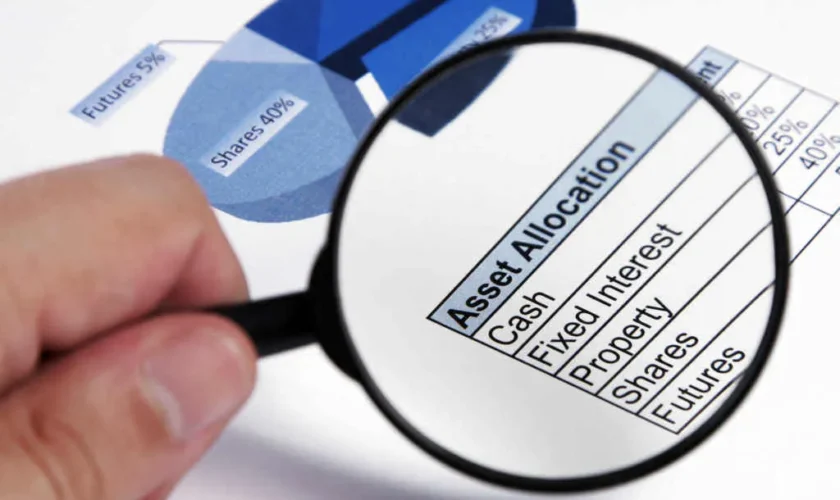
No single asset class consistently outperforms all others across every economic environment. Equities tend to thrive during periods of robust economic expansion, bonds provide reliable income during downturns, commodities often gain during supply-driven inflation, and cash offers safety during acute liquidity crunches.
The strategic distribution of capital across multiple asset classes is known as asset allocation. The primary objective is to combine assets that have low or negative correlation with one another, meaning their market values do not move in lockstep.
By diversifying across uncorrelated asset classes, an investor can reduce total portfolio risk without sacrificing long-term return potential. A younger investor with a thirty-year time horizon may allocate predominantly toward growth-oriented equities, while an investor approaching retirement might prioritize fixed income and cash equivalents to preserve accumulated wealth and generate dependable income.

Frequently Asked Questions

How does an investor determine the right asset allocation mix for their personal situation?
Asset allocation is primarily determined by evaluating three factors: your investment time horizon, risk tolerance, and specific financial goals. An investor with several decades before retirement has the time to recover from equity market downturns and can sustain a growth-heavy allocation. Conversely, someone needing their capital within three to five years should prioritize capital preservation vehicles such as fixed-income securities, CDs, and cash equivalents to avoid selling depressed assets during a market drop.
What is the difference between direct investing and pooled investing within an asset class?
Direct investing involves buying the individual asset directly, such as purchasing single shares of an individual company’s stock, buying a specific corporate bond, or acquiring a physical rental home. Pooled investing involves buying into a collective vehicle, such as a mutual fund or exchange-traded fund (ETF), where funds from thousands of investors are combined to purchase a broad basket of underlying assets, providing instant diversification at a lower cost.
How often should a multi-asset portfolio be rebalanced?
Most financial professionals recommend reviewing and rebalancing a portfolio on a set schedule, such as semi-annually or annually, or when asset proportions drift beyond a specific threshold (for example, five percent away from target allocations). Over time, outperforming assets grow to represent a larger share of your total portfolio, inadvertently increasing your risk profile. Rebalancing forces you to systematically trim outperforming areas and allocate funds into underweighted assets.
Do all bonds guarantee safety of the original investment?
No, bonds do not carry universal guarantees. While US government obligations possess virtually zero default risk, corporate and municipal bonds carry credit risk based on the financial stability of the issuer. If a borrowing corporation declares bankruptcy, bondholders may lose a portion or all of their principal investment. Additionally, if an investor sells a bond prior to maturity during a period of rising interest rates, the bond may sell at a loss on the secondary market.
Why are alternative assets generally considered unsuitable for beginner investors?
Alternative investments often feature high minimum investment requirements, steep management fee structures, limited liquidity (often locking capital away for multiple years), complex tax reporting requirements, and a lack of public pricing transparency. Beginners are usually better served building a low-cost foundation using traditional equities, fixed income, and cash instruments before venturing into complex alternative strategies.
What causes traditional asset classes to become temporarily correlated during market crashes?
During severe systemic financial crises or liquidity panics, institutional investors and margin-leveraged traders are often forced to sell assets across the board to raise cash, meet margin calls, and satisfy client redemptions. This widespread selling pressure can cause stocks, high-yield bonds, real estate, and commodities to drop simultaneously, temporarily eroding the standard benefits of diversification until normal market conditions resume.
Can an investor gain exposure to real estate and commodities through standard equity accounts?
Yes. Investors do not need physical access to real estate or direct futures accounts to invest in these categories. Publicly traded Real Estate Investment Trusts (REITs) and commodity-tracking Exchange-Traded Funds (ETFs) trade on major stock exchanges just like standard company shares, allowing investors to buy and sell them within conventional brokerage and retirement accounts with standard liquidity.
read more
Finance

Investing in Singapore: Key Trends Shaping the Future of Wealth Building

Singapore has long been recognised as one of the world’s leading financial hubs, attracting investors from across the globe with its economic stability, transparent regulations, and business-friendly environment. As markets evolve and technology reshapes financial services, the investment landscape in Singapore continues to offer new opportunities for individuals seeking to build and preserve wealth.

Today’s investors are no longer focused solely on traditional asset classes. They are looking for diversified strategies, digital solutions, and sustainable investment opportunities that align with long-term financial goals. Understanding the key trends influencing Singapore’s investment ecosystem can help investors make informed decisions and position themselves for future growth.

The Rise of Digital Investing Platforms

Technology has transformed how people access financial markets, and Singapore has embraced this shift rapidly. Digital investment platforms have lowered barriers to entry, making investing more accessible to younger generations and first-time investors. With user-friendly interfaces and automated portfolio management tools, individuals can begin investing with relatively modest amounts of capital.

The growing popularity of robo-advisors and online brokerage platforms reflects a broader movement toward convenience and efficiency. Investors can monitor portfolios, execute trades, and access educational resources from virtually anywhere. This accessibility has encouraged greater participation in financial markets while helping individuals take a more active role in managing their wealth.

Financial institutions and regulators have also played a role in supporting innovation. Singapore’s strong regulatory framework helps maintain investor confidence while encouraging responsible technological development. As digital solutions continue to evolve, they are expected to remain a major driver of investment activity and wealth creation.

Sustainable and Responsible Investing Gains Momentum

Environmental, social, and governance considerations have become increasingly important for investors worldwide, and Singapore is no exception. Many individuals now seek investment opportunities that not only generate returns but also contribute positively to society and the environment. This shift reflects changing consumer values and a growing awareness of long-term global challenges.

Industry experts, financial institutions, and international organisations have highlighted the importance of sustainable investing in managing future risks and opportunities. As a result, more investment products are incorporating ESG factors into their evaluation processes. Investors are paying closer attention to how companies address sustainability, corporate governance, and social responsibility.

For those exploring investment opportunities, conducting thorough research has become essential. Many investors choose to evaluate platforms, fund offerings, and market insights before making decisions. Resources that allow users to visit website pages for detailed investment information can provide valuable context when comparing options and understanding long-term strategies.

Alternative Assets and Portfolio Diversification

Diversification remains one of the most widely accepted principles in investing. While traditional investments such as stocks and bonds continue to play an important role, many investors in Singapore are exploring alternative assets to enhance portfolio resilience and potential returns.

Alternative investments can include real estate investment trusts, private equity opportunities, infrastructure-related assets, and other non-traditional holdings. These investments may offer exposure to different economic drivers and can help reduce reliance on a single asset class. As investors become more sophisticated, interest in diversified portfolios continues to grow.

The appeal of alternative assets is also linked to changing market conditions. Periods of volatility often encourage investors to seek broader diversification strategies. By spreading risk across multiple asset categories, individuals may be better positioned to navigate market fluctuations while pursuing long-term wealth-building objectives.

Singapore’s Position as a Global Wealth Management Hub

Singapore’s reputation as a trusted financial centre continues to attract investors, institutions, and wealth management firms from around the world. Its political stability, strong legal framework, and commitment to financial transparency contribute to a business environment that supports long-term investment planning.

The city-state’s strategic location in Asia also provides access to some of the world’s fastest-growing economies. Investors can benefit from opportunities across regional markets while leveraging Singapore’s sophisticated financial infrastructure. This combination of local strength and international connectivity makes the country an attractive destination for wealth management activities.

The Growing Importance of Financial Education and Investor Awareness

As investment opportunities become more diverse, financial education is playing an increasingly important role in wealth building. Investors today have access to a vast amount of information, market analysis, and educational content that can help them make more informed decisions. Understanding investment fundamentals, risk management, and long-term planning is becoming just as important as selecting the right assets.

Financial literacy initiatives have gained momentum across Singapore, supported by financial institutions, industry organisations, and government-led programs. These efforts aim to help individuals develop the knowledge and confidence needed to navigate increasingly complex financial markets. Greater awareness allows investors to evaluate opportunities more critically and avoid decisions driven solely by short-term market movements.

Conclusion

The future of wealth building in Singapore is being shaped by a combination of technological innovation, sustainable investing practices, portfolio diversification, and global financial connectivity. These trends are creating new opportunities for investors while encouraging more informed and strategic approaches to managing wealth.

As financial markets continue to evolve, success will depend on staying informed, evaluating opportunities carefully, and maintaining a long-term perspective. Investors who understand the forces shaping Singapore’s investment landscape will be better equipped to navigate change and build lasting financial security for the years ahead.

read more
Loan

Features That Define the Best Gold Loan Company in India

Gold loans have become one of the most preferred financial solutions in India. Whether it is for handling medical emergencies, managing business expenses, paying education fees, or meeting personal needs, gold loans provide quick access to funds without lengthy approval procedures. Choosing the best gold loan company is important because it directly affects the loan experience, repayment flexibility, and overall customer satisfaction.

Today, borrowers look for more than just fast money. They want security, transparency, affordable interest rates, and excellent customer support. A reliable lender makes the entire borrowing process smooth and stress-free while helping customers unlock the true value of their gold assets.

Quick and Hassle-Free Loan Processing

One of the biggest features of a trusted gold loan provider is fast loan approval. Most people apply for gold loans during urgent financial situations, so delays can create additional stress. The best lenders offer a simple documentation process and quick verification procedures.

Borrowers prefer companies that provide instant evaluation of gold ornaments and rapid disbursement of funds. Minimal paperwork and easy eligibility criteria also make the process more convenient for customers from different financial backgrounds.

Competitive Interest Rates

Affordable interest rates play a major role when selecting a lender. The best gold loan company always focuses on providing fair and transparent interest rates to customers. Lower interest rates help borrowers reduce their repayment burden and manage finances more comfortably.

Many customers compare loan providers before making a decision. Companies that maintain transparent pricing without hidden charges usually earn greater trust among borrowers.

High Loan-to-Value Ratio

A good gold loan provider offers a higher loan amount based on the value of the pledged gold. This feature is highly beneficial for customers who need immediate liquidity for important financial requirements.

The best lenders use accurate gold valuation methods to ensure customers receive the maximum possible value for their jewellery. Proper evaluation systems increase customer confidence and satisfaction.

Safe and Secure Gold Storage

Security is one of the most important concerns for borrowers. Customers want assurance that their gold ornaments remain completely safe during the loan tenure. Reputed lenders use advanced security systems, strong vault facilities, and continuous monitoring to protect pledged gold.

Trustworthy companies invest heavily in security infrastructure because customer confidence depends on it. Safe storage practices help borrowers feel comfortable throughout the loan period.

Flexible Repayment Options

Different customers have different financial situations, so flexible repayment options are highly valuable. The best gold loan company offers multiple repayment choices that suit varying income patterns and financial needs.

Borrowers may prefer monthly interest payments, flexible EMI plans, or bullet repayment options. Flexible repayment structures help customers avoid unnecessary financial pressure and improve the overall borrowing experience.

Transparent Loan Process

Transparency is another defining feature of a reliable gold loan provider. Customers appreciate lenders who clearly explain loan terms, repayment schedules, interest calculations, and additional charges before finalising the agreement.

Hidden charges and confusing policies can damage customer trust. Clear communication and honest practices create a positive customer experience and build long-term relationships.

Excellent Customer Service

Customer support plays a major role in creating a smooth loan experience. Friendly staff, quick query resolution, and professional guidance help customers feel more confident during the borrowing process.

The best lenders focus on customer satisfaction by providing proper assistance at every stage, from loan application to repayment completion. Good customer service also helps first-time borrowers understand the process easily.

Easy Accessibility and Digital Convenience

Modern borrowers prefer convenience and accessibility. Many leading gold loan providers now offer digital services such as online applications, repayment tracking, customer support, and branch locators.

Easy accessibility through multiple branches and digital platforms improves customer convenience significantly. Customers can manage their loans more efficiently without unnecessary visits or delays.

Trusted Reputation in the Market

A strong market reputation is a key indicator of reliability. Customers usually choose lenders with positive customer experiences, ethical business practices, and consistent service quality.

The best gold loan company earns trust by maintaining transparency, security, and customer-focused services over time. Positive reputation and customer loyalty reflect the credibility of the lender.

Conclusion

Selecting the right lender is essential for a smooth and secure borrowing experience. The best gold loan company offers fast processing, competitive interest rates, safe gold storage, flexible repayment options, and excellent customer support. These features help borrowers manage financial needs confidently while ensuring complete peace of mind.

As gold loans continue to grow in popularity across India, choosing a trusted and customer-friendly lender can make a significant difference. A reliable financial partner not only provides quick funds but also ensures safety, transparency, and convenience throughout the loan journey.

read more
Loan

What Documents Are Needed for a Home Construction Loan?

Building a house from the ground up is an exciting journey. It gives you the freedom to design a home that matches your lifestyle and future needs. However, constructing a home requires careful financial planning, and many individuals choose a home construction loan to manage the expenses involved in the building process.

A home construction loan is specifically designed to help individuals finance the construction of a new house on a plot they own or plan to purchase. Before applying, it is important to understand the documents required for a smooth and hassle-free loan approval process. Preparing the necessary paperwork in advance can save time and improve the chances of quick approval.

Why Documentation Matters

Lenders evaluate various factors before approving a loan application. The documents submitted help verify the applicant’s identity, income, property ownership, and construction plans. Complete and accurate documentation demonstrates financial credibility and allows the lender to assess the project effectively.

Identity Proof Documents

One of the first requirements for any loan application is proof of identity. Applicants may be required to submit documents such as:

  • Aadhaar Card
  • PAN Card
  • Passport
  • Driving Licence
  • Voter ID Card

These documents help verify the applicant’s identity and comply with regulatory requirements.

Address Proof Documents

Address proof helps confirm the applicant’s current residential address. Commonly accepted documents include:

  • Aadhaar Card
  • Passport
  • Utility Bills
  • Driving Licence
  • Bank Account Statement

The submitted document should contain accurate and updated address details.

Income Proof Documents

Income verification is one of the most important aspects of the loan approval process. Lenders assess repayment capacity based on the applicant’s earnings.

For Salaried Individuals

  • Salary slips for the last few months
  • Bank statements
  • Form 16
  • Employment certificate, if required

For Self-Employed Individuals

  • Income Tax Returns
  • Business registration documents
  • Profit and loss statements
  • Bank statements
  • Balance sheets

Providing clear income records can help strengthen a home construction loan application.

Property-Related Documents

Since the loan is being used for construction, property-related documents play a crucial role. Applicants may need to submit:

  • Sale deed of the plot
  • Property ownership documents
  • Latest property tax receipts
  • Encumbrance certificate, if applicable

These documents help establish legal ownership of the land where the construction will take place.

Approved Building Plan

An approved building plan is often required before loan disbursement. The plan should be sanctioned by the relevant local authority and include details such as:

  • Building layout
  • Floor plans
  • Construction specifications
  • Structural design details

This allows lenders to understand the scope and estimated cost of the project.

Construction Cost Estimate

Applicants may also need to provide a detailed construction estimate prepared by a qualified architect, engineer, or contractor.

The estimate typically includes:

  • Material costs
  • Labour charges
  • Foundation expenses
  • Electrical and plumbing costs
  • Finishing expenses

A realistic project budget helps lenders determine the appropriate loan amount.

Photographs

Recent passport-size photographs of the applicant and co-applicant, if any, are generally required during the application process.

Bank Statements

Bank statements from the previous six months are commonly requested. These statements help lenders evaluate:

  • Income flow
  • Savings pattern
  • Existing financial commitments
  • Overall financial discipline

Maintaining a healthy banking history can support the loan application.

Additional Documents for Co-Applicants

If the loan application includes a co-applicant, similar identity, address, and income documents may be required for that individual as well. Joint applications can sometimes improve overall eligibility and borrowing capacity.

Tips for a Smooth Loan Application

To simplify the process, applicants should:

  • Keep all documents updated and organized.
  • Ensure names and details match across records.
  • Submit clear and legible copies.
  • Maintain a good credit history.
  • Verify property documents before applying.
  • Obtain all required construction approvals in advance.

Proper preparation can significantly reduce processing delays and make the approval journey more efficient.

Conclusion

Applying for a home construction loan becomes much easier when all required documents are ready beforehand. From identity proof and income records to property papers and approved construction plans, every document serves an important purpose in the evaluation process. Understanding these requirements allows applicants to prepare confidently and move closer to building their dream home. By keeping documentation accurate and complete, borrowers can enjoy a smoother home construction loan application experience and focus on turning their vision into reality.

read more
Finance

How Automated Finance Helps Reduce Human Errors in Accounting

Managing finances has always required attention to detail. From entering invoices to balancing accounts and generating reports, even small mistakes can create major problems for businesses. Human errors in accounting can lead to incorrect financial statements, delayed payments, tax issues, and poor decision-making. This is why many companies are now turning toward automated finance solutions to improve accuracy and efficiency.

As businesses grow, handling financial tasks manually becomes more difficult. automated finance helps organizations streamline repetitive accounting activities with the help of intelligent systems and digital workflows. Instead of relying only on manual data entry and spreadsheets, businesses can automate processes such as invoice management, expense tracking, payroll processing, and financial reporting. This not only saves time but also greatly reduces the risk of human mistakes.

One of the biggest causes of accounting errors is manual data entry. Employees may accidentally type incorrect numbers, skip important details, or duplicate records. These errors may seem minor at first, but they can create serious financial complications later. Automation tools reduce this risk by automatically capturing and processing financial data with greater accuracy. Since information is transferred digitally between systems, the chances of mistakes become much lower.

Another important advantage of automation is consistency. Human workers may follow different methods while performing accounting tasks, especially in larger organizations with multiple departments. Automated systems follow predefined rules and workflows every time. This creates uniformity across all financial operations and helps businesses maintain accurate records consistently.

Financial calculations are another area where mistakes commonly happen. Calculating taxes, payroll deductions, or financial forecasts manually can increase the possibility of errors. Automated finance systems use programmed formulas and real-time calculations, helping businesses avoid costly miscalculations. Accurate calculations also improve financial planning and budgeting, allowing companies to make smarter business decisions.

Time pressure is another common reason for accounting mistakes. Finance teams often work under strict deadlines during month-end closings, audits, or tax seasons. When employees rush through tasks, errors are more likely to happen. Automation reduces workload by handling repetitive tasks quickly and efficiently. This allows accounting professionals to focus on reviewing data, solving problems, and improving financial strategies instead of spending hours on routine processes.

Modern businesses also handle large volumes of financial transactions daily. Managing such high transaction volumes manually increases the risk of missed payments, duplicate invoices, or incorrect account entries. automated finance systems can process thousands of transactions in less time while maintaining a high level of accuracy. This improves operational efficiency and creates a smoother accounting workflow.

Another benefit is better financial visibility. Automated accounting systems provide real-time access to financial information through dashboards and reports. Instead of waiting for manual updates, business owners and finance teams can instantly monitor expenses, revenue, and cash flow. Real-time insights help companies identify issues quickly and take corrective action before problems grow larger.

Compliance and regulatory reporting also become easier with automation. Businesses must follow tax regulations, maintain accurate records, and submit reports on time. Manual accounting processes may increase the risk of missing deadlines or filing incorrect information. Automated systems help organize financial data properly and generate reports automatically, reducing compliance-related errors.

Security is another area where automation supports accounting accuracy. Manual handling of financial documents may increase the risk of misplaced files or unauthorized access. Digital systems provide secure storage, controlled access, and backup features that protect sensitive financial information. Many automation platforms also maintain audit trails, making it easier to track changes and identify potential issues.

Small and medium-sized businesses can especially benefit from automation because they often operate with limited accounting staff. By using automated finance solutions, smaller companies can improve productivity without needing to expand large finance teams. This helps businesses save operational costs while maintaining reliable financial management.

Technology continues to reshape the accounting industry, and automation is becoming an essential part of modern finance operations. Businesses that adopt smart financial systems can reduce human errors, improve efficiency, and create stronger financial processes. automated finance not only simplifies accounting tasks but also helps companies build more accurate, transparent, and dependable financial systems for long-term success.

read more
Finance

How to Organize Your Finances Without Feeling Overwhelmed

Managing personal finances often carries an unnecessary burden of emotional weight. Between tracking variable monthly expenses, handling unexpected repairs, saving for future milestones, and keeping up with regular bills, it is easy to feel completely paralyzed. When financial tasks pile up, avoidance becomes the default coping mechanism. Bills remain unopened, bank balances go unchecked, and money decisions are driven by stress rather than deliberate strategy.
Financial organization does not require complex accounting software, tedious daily spreadsheet updates, or extreme self-deprivation. Instead, it relies on building a calm, clear, and sustainable routine that runs largely in the background. By breaking your financial life into manageable steps and stripping away unnecessary complexity, you can gain complete control over your money without letting it dominate your mental space.

Step Away from Financial Perfectionism

The primary reason most people fail to organize their finances is setting unrealistically rigid standards. They attempt to track every single penny, plan for decades into the future overnight, and eliminate all leisure spending at once. This all-or-nothing mindset quickly leads to burnout, resulting in abandoned budgets and renewed frustration.
Sustainable financial management is built on consistency, not absolute perfection:
  • Accept estimates over microscopic precision: Rounding your budget numbers to the nearest five or ten dollars saves significant time and mental energy while still providing an accurate picture of your financial flow.
  • Expect unexpected costs: Rather than viewing surprise repairs or seasonal expenses as failures of your system, treat them as routine parts of life by allocating a flexible buffer within your regular planning.
  • Focus on broad categories: Tracking thirty individual spending micro-categories causes fatigue. Consolidating your spending into four or five broad buckets keeps daily maintenance fast and effortless.
Recognizing that a working system is better than a flawless one allows you to take immediate action without fear of making minor errors along the way.

Build a Single Centralized Financial Inventory

Financial anxiety often stems from the unknown. Having accounts, debts, insurance policies, and subscriptions scattered across multiple platforms creates a mental fog. Gathering all your information into one unified inventory eliminates confusion and establishes a clear starting point.
Take an hour on a quiet weekend to document the essentials in a single, secure digital document or physical notebook:
  • Liquid cash accounts: List every checking, savings, and money market account, along with current balances and primary institutions.
  • Liabilities and debt balances: Record all outstanding credit cards, student loans, auto loans, personal lines of credit, and mortgages, noting the total principal owed, interest rates, and minimum monthly payments.
  • Retirement and investment holdings: Document workplace retirement plans, individual investment accounts, and health savings accounts.
  • Recurring contractual subscriptions: Note every gym membership, streaming platform, software subscription, and seasonal renewal currently linked to your payment cards.
Seeing your entire financial reality on a single page immediately removes the intimidation factor. You no longer have to keep track of disjointed accounts in your head; you have a reliable, written reference point.

Streamline Account Architecture

Managing ten different checking and savings accounts across multiple institutions invites administrative chaos. Simplifying your banking structure reduces the effort required to monitor balances and ensures your money flows where it needs to without daily oversight.
A practical, highly effective structure uses just four dedicated accounts:
  • Primary income and bills checking account: This account serves as the central hub. Paychecks deposit here, and all non-negotiable fixed expenses like rent, mortgage, insurance, and utilities are automatically paid from this pool.
  • Guilt-free spending checking account: Transfer a predetermined, weekly or biweekly spending allowance here. Use this debit card for dining out, entertainment, hobbies, and personal purchases. When the balance is zero, discretionary spending pauses until the next scheduled transfer.
  • Short-term emergency savings account: An accessible, high-yield savings account holding your cash buffer for true emergencies, kept separate from your everyday spending to avoid casual withdrawals.
  • Targeted sinking funds savings account: An account designated for planned, irregular expenses that occur throughout the year, such as holiday gifts, car maintenance, semi-annual insurance premiums, and travel.
Separating fixed necessities from discretionary spending removes the constant worry about whether buying a meal out will leave you short on rent later in the month.

Put Routine Tasks on Autopilot

Manual bill pay is one of the greatest sources of unnecessary stress. It creates a recurring mental burden and opens the door to late fees, missed payments, and damaged credit scores. Automating the majority of your recurring transactions frees your attention for higher-level decisions.
To build an automated financial engine:
  • Align recurring due dates: Call utility providers, credit card companies, and loan servicers to adjust your payment due dates so they fall within a specific window, such as the first week of the month or directly following your primary paycheck.
  • Set up automatic bill pay for fixed expenses: Schedule automatic payments for all bills with identical monthly amounts, including housing, internet, insurance, and debt minimums.
  • Automate savings and investment contributions: Set up recurring transfers from your main checking account to your savings and investment accounts on the day after each payday. Paying yourself first ensures your future goals are funded before everyday spending begins.
Once automation is established, your primary role shifts from active transaction processor to passive system monitor.

Establish a Low-Stress Weekly Financial Check-In

Complete disengagement can cause just as much trouble as obsessive over-monitoring. A quick, structured weekly routine keeps you informed without consuming your weekend.
Dedicate fifteen minutes once a week, perhaps on Sunday evening or Monday morning, to review your system:
  • Check main account balances to ensure no fraudulent charges occurred.
  • Confirm that scheduled automated transfers and bill payments cleared correctly.
  • Review discretionary spending balances to pace personal spending for the days ahead.
  • File or discard any receipts, tax documents, or physical mail gathered during the week.
Keeping this appointment brief and predictable prevents financial administration from building into a massive, intimidating chore at the end of the year.

Declutter and Secure Important Documents

Physical paperwork clutter creates visual stress and makes essential records difficult to locate when needed for tax filing, loan applications, or insurance claims. Establishing a simple digital filing system restores order.
  • Transition to paperless statements: Enable electronic delivery for all bank accounts, credit cards, utility providers, and medical portals to stop physical mail from accumulating.
  • Adopt a standardized folder hierarchy: Create a simple folder on your secure cloud drive or encrypted external hard drive with four basic subfolders: Taxes, Banking, Insurance, and Property.
  • Scan and shred old paperwork: Digitize old paper statements, warranties, and receipts using your smartphone camera, upload them to their corresponding digital folders, and securely shred the physical copies.
  • Maintain an essential paper lockbox: Keep only physical documents that cannot be easily replaced in a fireproof, waterproof box, such as birth certificates, social security cards, vehicle titles, passports, and estate documents.
Knowing precisely where every crucial document lives provides immense peace of mind and saves hours of searching during tax season.

Frequently Asked Questions

How should I begin organizing my finances if I share money with a partner who is completely disorganized?

Start by organizing your personal accounts and establishing an open, non-judgmental dialogue about shared goals. Rather than demanding total structural overhaul immediately, propose automating shared living expenses first. Creating a joint checking account solely for shared household bills while maintaining individual discretionary accounts often resolves tension, ensures core obligations are met, and provides each partner with financial autonomy without friction.

What is the most effective way to organize variable income from freelance or commission work?

When income fluctuates, establish a baseline living expense number based on your leanest months. Deposit all incoming client payments into a dedicated business or holding account. Pay yourself a fixed, consistent salary into your personal checking account each month from this holding pool. In high-earning months, let the excess accumulate in the holding account to cushion lean periods, stabilizing your personal cash flow.

How many credit cards should I keep active to maintain organized finances without hurting my credit score?

Having two to three credit cards is typically the sweet spot for balance and simplicity. One card can be dedicated to recurring fixed bills, a second card can handle daily variable expenses to earn rewards, and a third can serve as a backup. Keeping accounts minimal reduces the risk of missed payments and simplifies fraud monitoring while maintaining a healthy credit history and credit utilization ratio.

How long should I keep physical tax documents and old financial statements before shredding them?

The Internal Revenue Service generally has three years to audit a tax return, but that window extends to six years if substantial underreported income is suspected. A safe rule is to retain supporting tax documents, such as W-2s, 1099s, and charitable deduction receipts, for seven years. Standard monthly bank statements and utility bills can be shredded as soon as they are reconciled, provided digital copies remain accessible online.

What should I do if the thought of opening my bills causes severe physical anxiety?

When financial avoidance becomes overwhelming, shrink the task down to its smallest possible step. Commit to opening just one envelope or logging into one portal without taking any immediate financial action. You can also pair the activity with a comfortable environment, like listening to calming music or having a supportive friend nearby. Acknowledging reality in tiny increments breaks the cycle of fear and restores your sense of control.

How do I organize sinking funds if my bank does not allow me to open multiple sub-savings accounts?

If your primary financial institution does not offer sub-accounts or savings buckets, you have two simple alternatives. You can open a high-yield savings account at an online bank that natively supports sub-accounts and custom naming. Alternatively, you can maintain a single high-yield savings account and track your category allocations using a basic, one-page digital ledger where you simply divide the single total balance into your planned target categories.

When does it make sense to hire a professional financial organizer or planner rather than handling it myself?

Hiring a certified professional becomes valuable when you experience major life transitions, such as managing a business expansion, navigating an inheritance, handling complex stock options, sorting out tangled multi-year taxes, or experiencing persistent conflict with a partner over money. If administrative tasks consistently cause missed deadlines or emotional distress despite simplifying your system, an objective third party can establish structure and provide accountability.
read more
Finance

How to Create Financial Resilience in an Uncertain Economy

Economic turbulence is rarely predictable, but its arrival is inevitable. Whether triggered by shifting interest rates, persistent inflation, unexpected layoffs, or geopolitical shifts, sudden market changes test household finances. Financial resilience is not simply about having wealth; it is the capacity to withstand, adapt to, and recover from economic shocks without derailing long-term goals.
Building this level of stability requires moving away from reactive decision-making and establishing a proactive, structured financial defense. By mastering liquidity, controlling liabilities, diversifying income, and optimizing investments, individuals can create a durable financial foundation that remains steady regardless of broader macroeconomic volatility.

Assessing Your Current Financial Exposure

Before implementing defensive strategies, you must clearly understand your current vulnerability to economic shocks. Many households operate with hidden exposures that only surface during a downturn.
  • Fixed Cost Ratio: Calculate the percentage of your take-home pay dedicated to non-negotiable living expenses such as housing, utilities, minimum debt payments, and basic groceries. If this exceeds fifty to sixty percent, your flexibility during a sudden income drop is limited.
  • Cash Flow Burn Rate: Determine how many months your liquid reserves can cover basic survival expenses if your primary income stream stops tomorrow.
  • Debt-to-Income Exposure: Evaluate how much of your monthly income is tied to servicing variable-rate debts, which become significantly more expensive in a rising interest rate environment.
  • Asset Liquidity Profile: Distinguish between paper net worth and accessible funds. Real estate, retirement accounts with withdrawal penalties, and illiquid business equity will not help cover immediate cash shortfalls.

Building a Tiered Emergency Reserve

The traditional advice of saving three to six months of expenses is often insufficient during protracted downturns. A more robust approach involves a tiered liquidity reserve structured to balance rapid accessibility with purchasing-power preservation.
  • Tier One (Immediate Cash): Keep two to four weeks of operating expenses in a traditional checking or savings account for instant access during short-term emergencies.
  • Tier Two (Core Emergency Fund): Hold three to six months of baseline living costs in a dedicated High-Yield Savings Account (HYSA) or a stable money market fund. This capital must remain entirely separate from daily checking accounts to prevent lifestyle creep.
  • Tier Three (Extended Safety Net): For freelancers, single-income households, or those in volatile industries, establish an additional three to six months of expenses in low-risk, liquid instruments such as short-term Treasury bills or certificates of deposit. This layer shields you against prolonged job searches without losing value to market swings.

De-Risking Debt and Managing Liabilities

Debt is one of the greatest amplifiers of financial stress during an economic downturn. When revenue drops, fixed debt obligations remain unchanged, rapidly eroding your remaining liquidity.
  • Eliminate High-Interest Revolving Balances: Credit card debt and unsecured personal loans must be systematically eliminated. Use targeted payoff strategies such as the avalanche method, which prioritizes balances with the highest interest rates to minimize total finance charges.
  • Refinance or Restructure Variable Rates: Convert variable-rate liabilities into fixed-rate obligations wherever possible to insulate your monthly budget from benchmark rate spikes.
  • Avoid Taking on New Long-Term Commitments: In periods of economic ambiguity, delay major purchases requiring multi-year financing terms, such as high-end vehicle loans or non-essential renovations.
  • Maintain Good Credit Standing: A strong credit profile ensures that if an unavoidable crisis occurs, you can access low-cost borrowing options or negotiate favorable terms with financial institutions.

Diversifying Income Streams and Career Capital

Relying entirely on a single employer or single client creates a single point of failure in your financial plan. Diversification is just as critical in your income generation as it is in your investment portfolio.
  • Cultivate Secondary Income Channels: Develop ancillary revenue streams through freelance consulting, digital services, contract work, or renting out unused assets. Even a modest secondary stream covering fifteen to twenty percent of your living expenses dramatically lowers your risk profile.
  • Continuously Upgrade Core Skills: Stay aligned with evolving industry demands. Deepen technical capabilities, obtain relevant professional certifications, and maintain an active professional network before you need to look for a job.
  • Create Cross-Industry Versatility: Focus on acquiring high-value, transferable skills such as data analysis, project leadership, financial management, and direct sales, which remain in demand across different sectors during contractionary cycles.

Implementing Resilient Investment Practices

Navigating an uncertain economy does not mean pulling all your capital out of the markets and sitting in cash. Instead, it involves adopting disciplined allocation strategies designed to weather bear markets while capturing eventual recoveries.
  • Embrace Dollar-Cost Averaging: Continue investing fixed amounts at regular intervals into broad-market index funds. This removes the emotional temptation to time market cycles and allows you to accumulate shares at discounted valuations during market pullbacks.
  • Rebalance Systematically: Periodically review your portfolio to ensure your actual asset allocation matches your intended risk tolerance. Selling overperforming assets to buy underperforming ones enforces the discipline of buying low and selling high.
  • Focus on Cash-Flow Generating Assets: Prioritize investments that generate predictable yield or dividend income. Quality dividend-paying index funds, real estate investment trusts, and short-to-intermediate government bonds provide cash flow that can be reinvested or used to cushion volatility.
  • Avoid Speculative Leverage: Using margin or speculative derivatives during volatile markets magnifies downside losses and can lead to permanent capital impairment.

Protecting Capital Through Risk Management and Insurance

Financial resilience requires guarding against catastrophic, low-probability events that could wipe out years of disciplined saving and investing in a matter of days.
  • Maintain Adequate Health and Disability Coverage: A sudden illness or injury can derail your ability to earn an income. Ensure you have comprehensive health insurance and sufficient long-term disability coverage that protects a substantial portion of your gross earnings.
  • Review Property and Casualty Policies: Check that your homeowners or renters insurance, auto insurance, and liability coverage limits match the replacement value of your assets.
  • Secure Umbrella Liability Insurance: For households with growing net worth, a standalone personal umbrella policy provides essential liability protection beyond standard policy maximums at a relatively low annual cost.

Frequently Asked Questions

How does an individual balance aggressive debt repayment with building an emergency fund?
The most effective balance involves funding a starter emergency reserve of at least one month of bare-bones living expenses before committing extra cash flow toward high-interest debt. Once that base cushion is active, direct all discretionary cash toward debt reduction while maintaining minimum payments elsewhere. After high-interest liabilities are paid off, redirect those same debt payments toward completing your multi-tiered emergency fund.
Should long-term retirement contributions be paused during a severe economic downturn?
Retirement contributions should generally continue uninterrupted, especially if your employer offers a matching contribution, which provides an immediate guaranteed return. Pausing contributions during market declines locks out the benefit of buying assets at reduced prices. Contributions should only be temporarily paused if you are facing immediate job loss, eviction, or a complete depletion of liquid emergency reserves.
How often should a household financial plan be updated during unstable economic conditions?
Conduct a high-level review of your cash flow, liquid balances, and discretionary spending once every month during volatile periods. A comprehensive review of asset allocations, insurance policies, and broader financial milestones should be conducted semi-annually or immediately following any significant life event, such as a job transition, marital change, or property transaction.
What steps can small business owners or freelancers take to protect their personal finances from business downturns?
Maintain strict legal and financial separation between personal and commercial accounts. Establish a dedicated business emergency fund that covers three to six months of operating overhead, separate from your personal safety net. Additionally, compensate yourself through a consistent base salary rather than irregular draws, allowing you to maintain a predictable personal budget during fluctuating revenue months.
Is it safe to keep large cash savings in a single banking institution during banking sector instability?
In the United States, deposits are insured up to two hundred fifty thousand dollars per depositor, per insured bank, for each account ownership category through the Federal Deposit Insurance Corporation (FDIC) or the National Credit Union Administration (NCUA). If your liquid reserves exceed these limits, distribute funds across multiple separate institutions or utilize sweep accounts to maintain full insurance coverage.
What are the key warning signs that a household is over-leveraged before a crisis hits?
Common indicators include relying on credit cards to cover regular monthly utilities, carrying revolving balances from month to month, having a total debt-to-income ratio exceeding forty percent, and lacking enough liquid cash to cover a standard unexpected vehicle or home repair without borrowing.
How can someone protect their purchasing power against elevated, long-term inflation?
To hedge against sustained inflation, allocate capital into productive assets that historically outpace price increases, such as diversified equity index funds and commercial real estate. Additionally, fixed-income allocations can be bolstered using government-issued inflation-protected securities, such as Treasury Inflation-Protected Securities (TIPS) and Series I Savings Bonds, which adjust their principal or interest rates based on national consumer price index measurements.
read more
Trading

Building Consistency Through Effective Trading Habits

In financial markets, trading success is rarely determined by finding a secret technical indicator or predicting market direction with absolute certainty. Novice participants often spend years searching for the perfect strategy, believing that profitability is an analytical puzzle waiting to be solved. In reality, sustained profitability is an operational discipline. It is the natural byproduct of repeatable, robust habits executed daily with unwavering consistency.
Markets are environments of complete freedom with no external rules forcing you to protect your capital. Because prices fluctuate with inherent uncertainty, an undisciplined trader will inevitably fall victim to emotional impulses such as fear, greed, and revenge trading. To achieve long-term consistency, an individual must replace emotional decision-making with systematic routines, strict risk management, structured record-keeping, and psychological resilience.

Establishing Pre-Market Preparation Routines

Consistent execution begins long before the opening bell rings. A chaotic morning routine translates directly into impulsive order entries, whereas structured preparation creates clarity and removes emotional urgency.
  • Macroeconomic Calendar Review: Identify the exact release times for key economic data, such as interest rate announcements, inflation reports, employment figures, and central bank speeches. Trading around high-impact news releases without a predefined plan exposes capital to unpredictable slippage and severe volatility spikes.
  • Higher-Timeframe Market Context: Analyze broader index trends and sector strength before drilling down into individual assets. Establishing the dominant direction on daily and weekly charts ensures your intraday executions align with the broader flow of institutional liquidity.
  • Key Level Mapping: Mark critical support zones, resistance levels, previous day highs and lows, and high-volume nodes across your primary watchlists. Doing this work prior to market open prevents frantic, reactive charting while candles are actively moving.
  • Conditioning the Watchlist: Narrow your focus to a small, manageable selection of liquid instruments that exhibit clear setups. Watching too many assets simultaneously fragments attention and leads to substandard trade selection.

Implementing Non-Negotiable Risk Management Rules

Risk management is the foundational pillar of trading longevity. An exceptional trading strategy paired with poor risk management will eventually blow up an account. Conversely, a mediocre strategy paired with ironclad risk protocols can produce long-term survival and growth.
  • Fixed Percentage Risk Per Trade: Never risk more than one to two percent of total account equity on any single idea. Sizing positions according to risk rather than potential profit ensures that a routine string of losses does not cause catastrophic account drawdown.
  • Dynamic Position Sizing: Calculate share or contract quantity based on the distance between your planned entry price and your invalidation stop-loss level. The wider the required stop, the smaller the position size must be to keep overall dollar risk constant.
  • Strict Stop-Loss Placement: Always enter your stop-loss order directly into the execution platform simultaneously with your entry order. Mental stop-losses frequently fail during fast market moves or when emotional attachment tempts you to hold onto losing positions.
  • Pre-Set Maximum Daily Loss Limits: Establish a circuit breaker that automatically halts trading for the day if losses reach three to four percent of account equity. Stepping away preserves both financial capital and mental capital when market conditions do not suit your system.

Designing and Executing a Systematic Trade Plan

A professional trader treats every trade as a business transaction that must satisfy explicit criteria before capital is deployed. Operating without a documented trade plan turns trading into pure speculation.
  • Explicit Setup Criteria: Document your exact setup triggers, including trend alignment, structural patterns, momentum confirmations, and volume conditions. If an asset meets three out of four required conditions, the correct decision is to pass.
  • Defined Entry Triggers: Determine whether you enter on limit orders at predefined structural levels or on market orders following momentum confirmation. Clarity on entry triggers eliminates hesitation at the moment of execution.
  • Asymmetric Risk-to-Reward Profiles: Seek setups that offer at least a one-to-two or one-to-three risk-to-reward ratio based on natural market structure. Demanding positive expectancy allows your account to grow over time even if your win rate remains at fifty percent or lower.
  • Systematic Profit Taking: Define your exit targets before opening the trade. Decide in advance whether you will scale out portions of the position at structural targets or trail a stop along key technical levels to capture extended trends.

Developing Post-Market Review and Trade Journaling

The fastest way to accelerate trading competence is not taking more trades, but analyzing past trades in granular detail. High-performing traders use objective data to identify what works and eliminate recurring errors.
  • Comprehensive Trade Logging: Record the ticker symbol, entry price, exit price, position size, setup classification, market conditions, and total profit or loss for every closed execution.
  • Visual Documentation: Take chart screenshots at both the time of entry and the time of exit. Visual logs highlight whether you entered according to your written rules or chased extended price action out of fear of missing out.
  • Tracking Psychological State: Note your emotional state before, during, and after the trade. Identifying recurring feelings of anxiety, overconfidence, or frustration helps you recognize early behavioral triggers that precede undisciplined trading errors.
  • Weekly Performance Audits: Review your trade data at the end of every week to calculate your average win rate, profit factor, average winner-to-loser ratio, and rule-compliance percentage. Use these metrics to refine your edge continually.

Cultivating Emotional Discipline and Mental Capital

Market volatility constantly exerts psychological pressure on participants. Developing mental toughness and emotional balance is necessary to execute a trading plan consistently over months and years.
  • Accepting the Probabilistic Nature of Trading: Internalize the reality that any individual trade outcome is completely random, even when executing a valid edge. Consistency comes from executing a large sample size of trades over time, not from winning every trade.
  • Managing the Impact of Drawdowns: Treat normal losing streaks as standard operational business costs rather than personal failures. Modifying your system during a normal drawdown introduces inconsistency and destroys statistical edges.
  • Eliminating Revenge Trading: After a frustrating loss, step away from the trading screens immediately. Engaging in rapid follow-up trades to make money back is the leading cause of account blowouts.
  • Protecting Physical Well-Being: Physical fatigue degrades cognitive processing, slows reaction times, and weakens impulse control. Adequate sleep, regular physical activity, and planned screen breaks are essential operational tools for trading performance.

Frequently Asked Questions

How long does it typically take for a trader to develop consistent profitability?
Developing consistent trading habits generally requires between eighteen months to three years of dedicated, deliberate practice. This timeline accounts for experiencing various market cycles, enduring significant drawdowns, mastering technical tools, and overcoming standard psychological biases.
What is the difference between an analytical edge and an execution edge in trading?
An analytical edge refers to the ability to identify recurring, statistically favorable patterns in price action or financial data. An execution edge refers to the personal discipline required to enter without hesitation, manage risk precisely, take losses according to written rules, and avoid emotional interference during open positions.
How many trading strategies should a developing trader focus on at one time?
A developing trader should focus on a single, well-defined strategy until achieving consistent profitability over several hundred trades. Mastering one setup allows you to deeply understand its performance across different market regimes before attempting to diversify into multiple setups.
Why is focusing on win rate often misleading for evaluating trading performance?
Win rate only measures the frequency of winning trades, completely ignoring the magnitude of profits and losses. A trader with an eighty percent win rate can easily lose money if their few losses are substantially larger than their many small gains. Long-term profitability is driven by mathematical expectancy, which combines win rate with average risk-to-reward ratios.
Should beginner traders use simulated paper accounts or trade with real capital?
Beginners should use paper trading strictly to master execution software, learn order routing, and verify basic rule mechanics. However, transitions to small live positions should happen relatively quickly, as simulated environments fail to replicate the real psychological pressure and emotional friction of managing real money.
How should a trader handle a period when market conditions do not fit their strategy?
When market conditions change, such as transitioning from a strong trend to a choppy consolidation, the disciplined habit is to reduce position sizing significantly or sit entirely in cash. Capital preservation is an active, profitable position during unfavorable market environments.
What specific metric is most useful for identifying behavioral issues in trading logs?
The most revealing metric for behavioral problems is the rule-compliance score, which tracks the percentage of trades executed strictly according to your written trade plan. A low rule-compliance score indicates that performance issues stem from emotional indiscipline and impulsive execution rather than a flaw in the underlying strategy.
read more
1 2 3 7
Page 1 of 7