close

Trading

Trading

Managing trades smoothly using mobile based trading platforms

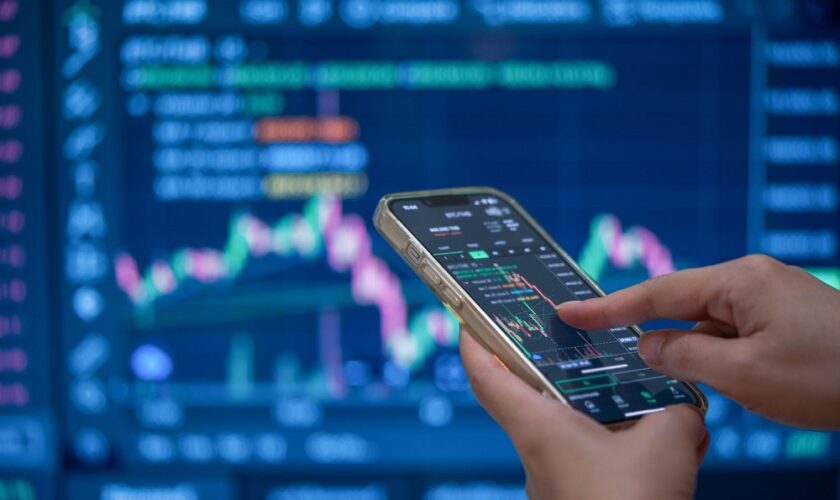
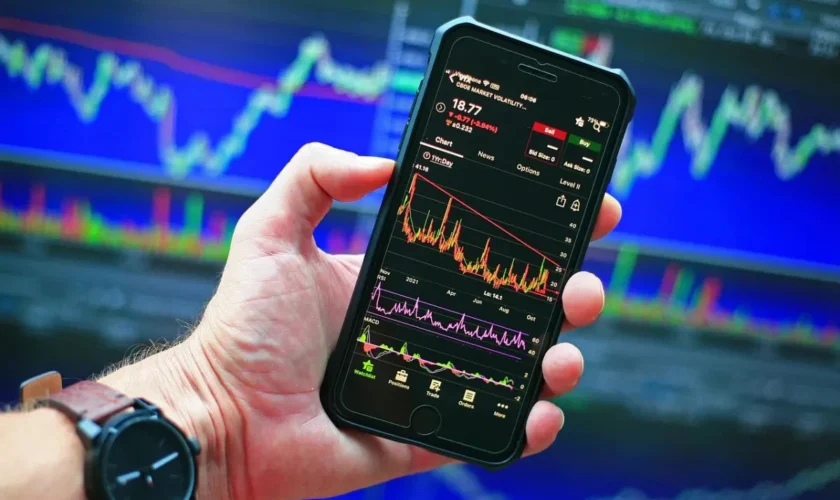
Most people begin on desktop. Big screen. Multiple charts open. Everything visible at once. Then one day they realize they want access while away from the desk. That is where metatrader 5 mobile comes in. Installing it is simple. You download the application from your device app store. Open it. Allow basic permissions. That part rarely causes problems. The real adjustment starts after installation. Because trading on a smaller screen feels different.

Logging in and securing your account

  • After opening the app, you need to log into your trading account. Enter your login ID, password, and select the correct server.
  • If the details are correct, live prices begin updating immediately.
  • It feels familiar. But also not.
  • On mobile, everything is compact. Tabs are hidden behind icons. Charts take up most of the screen. Navigation requires more tapping than clicking.
  • Security matters more on mobile. Setting a strong password and enabling device lock adds an extra layer of protection. It takes seconds, but it is worth doing.
  • Small habits protect larger decisions.

Understanding charts on a smaller screen

  • Charts are still charts. But on mobile, space is limited.
  • You can zoom in or out using finger gestures. Swipe to scroll through past price action. Tap to open indicators. Switch time frames easily.
  • At first, it may feel slightly crowded.
  • Then your eyes adjust.
  • Most traders reduce the number of indicators on mobile. Clean charts are easier to read when space is tight. Too many tools create confusion quickly.
  • Sometimes simple viewing works best when you are not sitting comfortably at a desk.

Monitoring positions while on the move

  • Mobile trading is not about deep analysis. It is about staying connected.
  • You can check open positions during a lunch break. Monitor price movement while commuting. Close a trade if conditions change unexpectedly.
  • But serious chart analysis often remains better suited for desktop.
  • Mobile is for flexibility. Not for overcomplication.
  • And that distinction matters.
  • Some traders try to do everything on mobile. It works for some. For others, it feels rushed.

Managing risk on mobile

Because mobile access is easy, overtrading becomes tempting.

Quick access sometimes leads to quick decisions.

Setting clear rules helps. For example:

  • Avoid opening trades without prior analysis
  • Use stop loss levels consistently
  • Review trade logic before confirming

Mobile trading should support your strategy, not replace it.

That difference is subtle. But important.

Balancing desktop and mobile use

  • Many traders eventually create a simple routine.
  • Desktop for analysis and planning. Mobile for monitoring and small adjustments.
  • This balance works well because each device serves a different purpose.
  • Trying to force mobile into a full analysis role can feel limiting. At the same time, ignoring mobile convenience means missing flexibility.
  • There is no perfect formula.
  • Some prefer full mobile trading. Others rarely use it.
  • Both approaches can work.

Frequently Asked Questions

Is mobile trading as reliable as desktop?

Yes, core functions operate similarly, though screen size changes the experience.

Can I use the same account on desktop and mobile?

Yes, you can log into the same trading account across devices.

Are indicators available on mobile?

Yes, though fewer customization options may exist compared to desktop.

Is mobile trading suitable for beginners?

It can be, especially for monitoring trades, but deeper analysis is often easier on larger screens.

Using metatrader 5 mobile adds flexibility to trading. It allows access anytime without being tied to a desk. The interface feels compact at first. Then it feels natural. With disciplined use and clear boundaries, mobile trading becomes a useful extension of your overall strategy rather than a distraction.

read more
Trading

Intraday Trading and Indices: How to Maximise Short-Term Market Gains

Intraday trading is a fast-paced strategy where traders buy and sell stocks or derivatives within the same trading day. The goal is to capitalise on small price movements, and one of the most reliable tools for this is market indices.

Indices like Nifty 50 and Sensex act as market barometers, helping traders gauge overall trends and identify profitable opportunities. Let’s explore how intraday trading and indices work together to maximise returns.

What is Intraday Trading?

Intraday trading involves buying and selling financial instruments within the same day to profit from price fluctuations. Unlike long-term investing, positions are squared off before the market closes.

Key aspects include:

  • Quick decision-making
  • Constant market monitoring
  • Focus on technical analysis and market patterns

Importance of Indices in the Stock Market

A stock market index tracks the performance of a group of selected stocks to represent market trends. Indices simplify market analysis by providing:

  • Overall market direction 
  • Sector-specific trends 
  • Liquidity signals 

Common Indian indices include: Nifty 50, Sensex, Bank Nifty, Nifty IT, and Nifty Midcap 100.

Popular Indian Indices for Intraday Trading

  1. Nifty 50: Tracks the top 50 companies listed on NSE.
  2. Sensex: Measures the performance of 30 leading BSE stocks.
  3. Bank Nifty: Monitors banking sector stocks.
  4. Nifty IT: Focuses on India’s tech sector.
  5. Nifty Midcap 100: Captures mid-cap growth opportunities.

These indices are widely traded due to high liquidity and volatility, making them ideal for intraday strategies.

How Indices Influence Intraday Decisions

Indices provide traders with real-time insights:

  • Bullish indices indicate buying opportunities.
  • Bearish indices may signal short-selling options.
  • Sudden movements highlight market sentiment shifts.

By analysing indices, intraday traders can align trades with overall market momentum.

Understanding Market Trends Through Indices

Traders use indices to:

  • Spot trend reversals 
  • Identify support and resistance levels 
  • Determine volatility patterns 
  • Monitor sector rotation for better stock selection

Key Indicators for Intraday Trading

  • Volume: Confirms the strength of a price movement.
  • Advance-Decline Ratio: Shows market breadth.
  • Open Interest (OI): Helps in derivatives trading.
  • Volatility Index (India VIX): Measures expected market fluctuations.

These indicators guide traders in making informed intraday decisions.

Technical Analysis Tools for Indices

  1. Moving Averages (MA): Identify trend direction.
  2. Relative Strength Index (RSI): Detect overbought or oversold levels.
  3. Bollinger Bands: Measure price volatility.
  4. MACD: Spot trend reversals and momentum shifts.

Using these tools helps traders time entries and exits more accurately.

Breakout and Momentum Strategies

  • Breakout Trading: Enter positions when indices breach key resistance or support levels.
  • Momentum Trading: Ride the trend in the direction of strong market movements.

Both strategies are widely used by intraday traders to capture quick profits.

Risk Management in Intraday Trading

  • Always use stop-loss orders to protect capital.
  • Maintain proper position sizing to avoid overexposure.
  • Avoid holding positions overnight due to gap risk.
  • Control emotions to prevent impulsive decisions.

Effective risk management is crucial for long-term intraday success.

Impact of Global Events on Indices

Global economic events, crude oil prices, and geopolitical developments affect Indian indices. For example:

  • US Federal Reserve rate changes impact Nifty and Sensex.
  • Crude price hikes influence Bank Nifty and financial stocks.

Intraday traders must stay updated on global news for better decision-making.

Correlation Between Individual Stocks and Indices

Stocks often move in tandem with their sector index:

  • Bank Nifty movement affects HDFC Bank, ICICI Bank, and Kotak Bank.
  • Nifty IT trends impact Infosys, TCS, and Wipro.

Understanding correlations helps traders pick stocks that follow the index trend.

Common Mistakes in Intraday Trading

  • Trading without a clear strategy 
  • Overtrading and excessive leverage
  • Ignoring market indices and trends 
  • Allowing emotions to dictate trades

Avoiding these mistakes increases profitability and reduces risk.

Tips for Beginners

  • Start with liquid indices like Nifty 50 or Bank Nifty 
  • Use technical indicators for decision-making
  • Keep stop-losses and strict risk management 
  • Maintain a trading journal to track performance

Patience and discipline are key to success in intraday trading.

Advanced Strategies for Experienced Traders

  • Pair Trading: Hedge by buying and selling correlated stocks.
  • Scalping: Capture small price movements multiple times a day.
  • Algo Trading: Use algorithms to automate intraday strategies.
  • Sector Rotation: Shift focus between indices for maximum returns.

These strategies require experience, speed, and analytical skills.

Advantages and Disadvantages of Trading Indices Intraday

Advantages:

  • High liquidity and faster execution
  • Reduced risk compared to individual stocks
  • Reflects overall market trends

Disadvantages:

  • Requires constant monitoring
  • Sensitive to global and domestic news
  • Short-term fluctuations may cause stress

Conclusion

Intraday trading with indices is an exciting and worthwhile approach for professional traders. By expertise marketplace traits, technical indicators, and threat management, traders can take advantage of brief-time period movements.

Whether it’s Nifty 50, Bank Nifty, or sectoral indices, aligning trades with marketplace momentum increases the risk of fulfilment and enables building steady profits.

read more
Trading

Understanding Trading: A Complete Guide for Investors and Traders

Trading is the act of buying and selling financial instruments such as stocks, commodities, currencies, and cryptocurrencies to earn profits. Unlike long-term investing, trading often involves short-term transactions and market analysis to capitalize on price fluctuations. Successful trading requires knowledge, strategy, discipline, and risk management.

Trading plays a significant role in financial markets, providing liquidity, enabling price discovery, and creating opportunities for individual and institutional investors. This article explores the types of trading, strategies, essential tips, and common mistakes to avoid, helping readers understand how to navigate the world of trading effectively.

The Importance of Trading

Trading is not just a method for generating income; it serves multiple purposes in the financial ecosystem:

1. Wealth Creation

Through strategic trading, individuals can generate profits by taking advantage of market opportunities, building wealth over time with consistent effort and sound strategies.

2. Market Liquidity

Traders provide liquidity to markets, ensuring that buyers and sellers can execute transactions quickly, stabilizing prices and facilitating efficient financial markets.

3. Economic Growth

Active trading contributes to economic growth by enabling companies to raise capital, investors to allocate resources efficiently, and financial markets to function smoothly.

4. Portfolio Diversification

Trading allows investors to diversify portfolios across multiple assets, reducing overall risk and increasing opportunities for returns.

Types of Trading

Different trading styles cater to various risk tolerances, investment horizons, and market knowledge levels.

1. Day Trading

Day trading involves buying and selling financial instruments within the same trading day. Traders aim to profit from short-term price movements and often rely on technical analysis and market trends. This type of trading requires quick decision-making and active monitoring of markets.

2. Swing Trading

Swing trading focuses on short- to medium-term market movements, typically holding positions for several days or weeks. Traders analyze price trends and patterns to capture profits from market swings. Swing trading combines technical and fundamental analysis for effective decision-making.

3. Position Trading

Position trading is a long-term strategy where traders hold positions for weeks, months, or even years. This style emphasizes understanding broader market trends, company fundamentals, and macroeconomic factors. Position traders are less concerned with short-term fluctuations.

4. Scalping

Scalping is a high-frequency trading strategy where traders make numerous small trades throughout the day to profit from minor price movements. Scalpers require advanced tools, fast execution platforms, and strict risk management techniques.

5. Algorithmic and Automated Trading

Algorithmic trading uses computer programs and algorithms to execute trades based on predefined criteria. Automated trading reduces human error, improves execution speed, and allows traders to capitalize on market opportunities 24/7.

6. Forex Trading

Forex trading involves buying and selling currencies in the foreign exchange market. It is the largest and most liquid financial market globally. Forex trading requires knowledge of economic indicators, geopolitical events, and currency pair dynamics.

7. Cryptocurrency Trading

Cryptocurrency trading involves buying and selling digital currencies like Bitcoin, Ethereum, and altcoins. The crypto market is highly volatile, offering significant profit potential but also substantial risk. Traders must stay updated with market news, regulations, and technological developments.

Essential Trading Strategies

Trading successfully requires a well-planned strategy, discipline, and continuous learning.

1. Technical Analysis

Technical analysis involves studying historical price charts, patterns, and indicators to predict future price movements. Tools such as moving averages, relative strength index (RSI), and candlestick patterns help traders identify entry and exit points.

2. Fundamental Analysis

Fundamental analysis examines the underlying factors affecting asset value, including financial statements, economic indicators, industry trends, and company news. This analysis is essential for swing traders and position traders focusing on long-term growth.

3. Risk Management

Effective trading requires managing risk by setting stop-loss orders, limiting exposure to individual trades, and maintaining proper position sizing. Risk management protects capital and ensures sustainability in volatile markets.

4. Diversification

Spreading trades across different assets, sectors, and markets reduces exposure to any single risk. Diversification enhances stability while allowing traders to capture opportunities in various markets.

5. Trading Plan

A structured trading plan defines entry and exit points, risk tolerance, and profit targets. Following a trading plan reduces impulsive decisions and increases the probability of consistent success.

6. Staying Informed

Successful traders stay updated on market news, economic reports, regulatory changes, and global events. Timely information allows traders to react swiftly to market shifts.

Common Mistakes in Trading

Even experienced traders can fall into pitfalls that reduce profitability:

  • Overtrading: Excessive trading increases transaction costs and emotional stress.
  • Ignoring Risk Management: Failing to use stop-loss orders or proper position sizing can lead to significant losses.
  • Chasing Losses: Attempting to recover losses quickly often results in further financial damage.
  • Neglecting Market Research: Trading without analysis or strategy is essentially gambling.
  • Emotional Decision-Making: Emotional biases such as fear or greed can compromise rational decisions.

Avoiding these mistakes and following a disciplined approach is crucial for long-term trading success.

Tools and Platforms for Trading

Modern trading relies heavily on technology and access to efficient platforms:

  • Trading Platforms: Online brokers provide platforms with real-time data, charting tools, and order execution capabilities.
  • Market News Feeds: Access to financial news and analysis helps traders stay informed.
  • Analytical Tools: Software for technical and fundamental analysis enhances decision-making.
  • Automated Trading Bots: For algorithmic traders, bots can execute trades based on predefined strategies with minimal human intervention.

Benefits of Trading

Engaging in trading offers several advantages:

  • Opportunity to generate profits in various market conditions
  • Portfolio diversification and risk reduction
  • Access to a global market and multiple asset classes
  • Development of analytical and decision-making skills
  • Flexibility to trade full-time, part-time, or as a supplement to other income streams

Conclusion

Trading is a dynamic and potentially profitable activity requiring discipline, strategy, and continuous learning. Understanding the types of trading, employing effective strategies, managing risk, and leveraging technology are critical for success.

Whether engaging in stock trading, forex, cryptocurrency, or other asset classes, traders must maintain discipline, avoid common pitfalls, and adapt to changing market conditions. With careful planning, education, and consistent practice, trading can be an effective tool for wealth creation and financial empowerment.

FAQ Section

1. What is the best type of trading for beginners?
Swing trading or position trading is generally recommended for beginners due to lower frequency and reliance on broader market trends rather than rapid intra-day movements.

2. How much capital do I need to start trading?
The required capital varies depending on the market and trading style. For stocks, a few hundred to a few thousand dollars may suffice, while forex or crypto trading may require smaller initial investments.

3. What is the difference between trading and investing?
Trading focuses on short-term price movements to earn profits, while investing involves long-term ownership of assets to accumulate wealth over time.

4. How can I manage risk while trading?
Risk management involves setting stop-loss orders, limiting trade size, diversifying assets, and following a structured trading plan.

5. Are automated trading systems reliable?
Automated trading systems can be reliable if programmed correctly and monitored regularly. They reduce emotional errors but still require human oversight for market changes.

6. Can I trade part-time while working a full-time job?
Yes, swing trading or position trading allows individuals to trade part-time while managing other responsibilities, unlike day trading, which requires constant monitoring.

7. Is trading profitable for everyone?
Trading can be profitable with proper education, discipline, and risk management, but it carries inherent risks, and not all traders achieve consistent profits.

read more
Trading

FXSinergi – Bridging the Gap between Foreign Exchange and Business.

The world of foreign exchange is ever-changing and complex. For businesses, managing international payments and currency risks can be a daunting task. At FXSinergi, they understand the challenges businesses face when dealing with foreign exchange and help bridge the gap between foreign exchange and business.

What is FXsinergi?

FXSinergi is a foreign exchange company that helps businesses manage their international payments and currency risks. They offer a wide range of services, including foreign exchange hedging, currency risk management, and global payment solutions.

Why use FXSinergi?

There are many reasons why you should use FXSinergi to manage your foreign exchange needs. Here are some of the benefits:

-They have a team of experienced professionals who understand the complexities of the foreign exchange market.

-They offer customized solutions that are tailored to your specific needs.

-They provide a one-stop shop for all your foreign exchange needs.

-They offer competitive rates and fees.

If you are looking for a reliable and experienced foreign exchange company to help you manage your international payments and currency risks, then FXSinergi is the right choice for you. Their team of experts has years of experience in the foreign exchange industry. They also offer a comprehensive suite of services that can help businesses manage their currency risks and make international payments seamlessly. Services like:

– International Payment Services: With their international payment services, businesses can make payments to suppliers and customers in over 150 currencies. They offer competitive exchange rates and a simple, transparent pricing structure.

– Currency Risk Management: They can help businesses hedge their currency risks through a variety of methods, including forwarding contracts, options, and swaps.

– Treasury Management: Their treasury management services can help businesses optimize their cash flow and working capital. They offer a suite of tools and solutions that can help businesses better manage their finances.

Whether you are looking to make a one-time payment or want to set up a hedging strategy, they can tailor their services to meet your needs. They offer competitive rates and transparent pricing so that you can focus on running your business. How do they set up a  strategy:

  1. Speak to one of their experts to understand your business needs and objectives.
  1. They will develop a custom hedging strategy that suits your business. This is how they develop the strategy. They will consider a number of factors, including:

– Your business needs and objectives

– The currencies you are dealing with

– The size and frequency of your payments

– The level of risk you are comfortable with

  1. They will execute the hedging strategy on your behalf. They will execute it by using their years of experience and market knowledge to get you the best possible rates.
  1. They will monitor the market and make adjustments to the hedging strategy as needed.
  1. They will provide you with regular reports so that you can monitor the performance of the hedging strategy.
  1. They will also review your solution periodically to ensure that it continues to meet your needs. FXSinergi is committed to helping businesses overcome the challenges of foreign exchange. With their expertise and comprehensive suite of services, they can help you navigate the world of foreign exchange and manage your currency risks effectively.

 What else do they do?

-Tailored Solutions: Their team of experts will develop a custom solution that is tailored to your specific needs.

-Competitive Rates: They offer competitive rates and fees.

-One-Stop Shop: They provide a one-stop shop for all your foreign exchange needs. At FXSinergi, they understand that businesses have different foreign exchange needs. That’s why they offer a comprehensive suite of services that can meet the needs of any business.

read more
Trading

How To Use The Greeks To Measure Risk In Options Trading?

Options traders need to be aware of the risks associated with their options positions. One way to measure risk is to use the Greeks. The Greeks are mathematical measures that help options traders understand how changes in the underlying security will impact their options position. In this blog post, we will discuss five tips for using the Greeks to measure risk in options Greeks trading.

Tip #1: Delta

Delta is the most important Greek for options traders to understand. Delta measures how much the price of an option will change in response to a one-point move in the underlying security. For example, if an options trader has a delta of 0.50 on a call option, then the price of that call option will increase by $0.50 for every $100 move in the underlying security.

Tip #2: Gamma

Gamma measures the rate of change in delta as the price of the underlying security moves. For options traders, gamma is important to monitor because it can help them adjust their delta position if they anticipate a large move in the underlying security.

Tip #3: Theta

Theta measures how options lose value as time passes. As options traders, this is one of the most important Greeks to monitor because it can tell us whether or not our options are approaching expiration and need to be closed out before they become worthless due to the lack of value left in them.

Tip #4: Vega

Vega measures how options prices change based on volatility in the underlying security. It’s important for options traders to know what level of volatility their options trade at so that they can adjust their positions accordingly when there is a large move expected by market participants who expect high levels of price fluctuation over time (like during earnings season). For example, if an options trader has a vega position, that means his/her options will gain value as implied volatility increases.

Tip #5: Rho

Rho measures how options prices change based on interest rates in the underlying security. Interest rates are important to monitor when trading options because they can have a large impact on an option’s price. For example, if an interest rate rises, then the present value of an option decreases, and vice versa.

The Bottom Line:

Options traders need to be aware of the risks associated with their positions and use the Greeks to measure those risks. The five tips above are a good place to start for options traders looking to better understand how the Greeks can help them protect their investments.

read more
Trading

Two Important Points to Get Trading Right From the Start

The bait of quick cash and a relaxed way of life brings enormous quantities of new brokers into the commercial center consistently. Shockingly, numerous dealers get a remorseless illustration and a portion of reality subsequent to exchanging for a couple of days. It’s not as simple as individuals who sold you the $50 exchanging course clarified. I hear this few times each week.

Getting a beginning in exchanging isn’t pretty much as straightforward as many would have you accept. Certainly, 9 out of 10 amateur merchants void their exchanging accounts inside the initial 3 months. There is a justification behind this. To be a viable dealer you should arm yourself with the instruments expected to exchange the e small scale adequately. This incorporates thorough review, broad practice, and a commitment to learning. It’s a difficult task; a request many new to the business can’t fill. Truly straightforward; to be a decent dealer you need to have invested some energy exchanging and learning.

How would you do that?

Most importantly, you need to get familiar with a framework for exchanging that is dependable and works. Invest some energy on a portion of the visit sheets and web search tools and see which instructive frameworks are legitimate and suggested. You should be steady in this assignment as your schooling is the establishment for your prosperity. The framework you learn ought to be in the standard of instructive idea as it identifies with exchanging, and not an exchanging framework promising untold abundance and moment achievement. There is nothing of the sort as moment achievement.

Numerous people are under the feeling that extraordinary merchants are brought into the world with a natural capacity to exchange and benefit. Nothing could be farther from reality. The rationale of the market isn’t equivalent to good judgment and in many occasions presence of mind won’t work well for you in your exchanging vocation. Once more, that is the reason I suggest that you get familiar with a framework and practice that framework until you are skillful.

There are a wide assortment of exchanging frameworks available and some are free, others are over the top expensive. I think the main piece of picking an exchanging framework lies with how agreeable a dealer is with the framework. The framework ought to be viable with the new dealers character. I intend to say that if a merchant has a low degree of persistence, the person in question ought not exchange a framework that requires many long periods of holding up prior to understanding a benefit or misfortune from an exchange. Intraday exchanging is the best approach for this sort of person. Then again if your character type is one that shows restraint, maybe the more extended term exchanges are the best thing for you.

At long last, the framework you pick should cause you to feel great, not apprehensive. To exchange viably you should accept and believe the framework you are utilizing. Obviously, being alright with the framework requires the beginner broker to invest some energy utilizing it. How might I become familiar with the framework and not exchange?

However many exchanging teachers exhort against it, I prescribe that a merchant figure out how to exchange with their demo account. However, with admonitions.

Practice doesn’t make awesome, amazing careful discipline brings about promising results.

It is exceptionally simple to foster messy and inadequate propensities when exchanging a demo account. All things considered, you are not risking anything. This is, indeed, the fundamental analysis of demo accounts. Also, it’s a substantial analysis. So my suggestion is basic, figure out how to exchange by exchanging a similar way you mean to exchange with live cash. That way, you won’t foster messy method. Further, I suggest that you exchange on a demo account until you can assemble half a month of productive exchanging. I mean exchanging beneficially throughout seven days. When dealers can clear this obstacle they are prepared for a live record.

Obviously, a live record is exchanged much uniquely in contrast to a demo account. There is more in question, and fledgling merchants will in general worry over the equilibrium in their record more than zeroing in on making great exchanges. So there will be a time of change in the merchants profession as the individual in question advances from a demo record to a live exchanging account.

Where would you be able to get a demo account?

Most businesses will set up a demo represent you, complete with a constant feed. As I have said, utilize this demo account the specific way you expect to exchange your live record. Anything less will make them exchange ineffectively. Further, figure out how to utilize the exchanging stage that accompanies the demo account. There could be no more terrible inclination than expecting to leave an exchange and not knowing how. You would be amazed at the number of individuals jump into another record without realizing how to work the exchanging framework and stage required.

read more
Trading

What is Currency Day Trading? Would you be able to Handle the Risk?

One of the greatest monetary business sectors in our economy is the unfamiliar trade market, which includes a ton of money day exchanging. The unfamiliar trade market and cash exchanging are not as muddled as they might sound however the ascent in the quantity of individuals associated with this sort of short exchanging requires a greater amount of a clarification.

Day exchanging is the point at which a broker purchases and sells in a monetary market and the exchanges occur the day that they are made. You can partake in an assortment of sorts of such transient exchanging including stock exchanging, investment opportunity exchanging, item exchanging, and cash day exchanging. This is unique in relation to swing exchanging which the stocks or other exchanged things are held for a while rather than only for that one day.

Individuals who take part in day exchanging purchase and sell without holding the stocks or different items short-term. You can’t take part in this sort of exchanges except if you can raise sufficient funding to buy at least 1,000 portions of stock in one day. In case you are new to the possibility of this momentary exchanging, you need to realize that you ought to have about $25,000 in capital accessible and you ought to hazard losing this capital.

Effective day exchanging requires realizing when to leave behind whatever might already be a lost cause. You additionally must have the option to get on patterns, go with market stream and to do this without feeling. The most ideal way of prevailing in day exchanging is to buy and sell the stocks that sell in higher volumes so you can sell them without issues.

How Is Currency Day Trading Different From Other Short Term Trading?

Money day exchanging is not quite the same as most day exchanging on the grounds that you can take part regardless of whether you can’t bring $25,000 up in capital. At the point when you partake in this unfamiliar trade exchanging, you can do as such with only two or three hundred dollars in capital. You can open a smaller than normal record in the forex market with next to no cash.

The advantage to taking part in this sort of unfamiliar trade is that you can exchange the entire day and night in light of the fact that the FX market won’t ever close. That implies regardless your timetable, you will actually want to figure out an ideal opportunity for exchanging cash sets.

You can undoubtedly purchase and sell monetary forms the entire day. You can exchange with negligible capital, which implies you won’t lose truckload of cash in the event that you use stop misfortunes and adhere to your framework. You can likewise utilize influence to build your exchange sums.

Would it be advisable for you to Use Margins?

Typical day exchanging accompanies an edge of 4 to 1. That implies a $25,000 venture would permit you to exchange up to $100,000. Cash day exchanging gives you a 50 to 1 edge so you can transform a smidgen of capital into some extraordinary enormous exchanges.

You can use so a lot or as little influence as you are OK with when you are taking an interest in present moment forex exchanges, here and there called scalping forex, so you don’t need to face challenges you would prefer not to take. The FX market is continually moving so there is a ton of liquidity. The quantity of monetary forms in the unfamiliar trade market is significantly less than the stocks in the normal market so you don’t have as a lot to monitor.

Day exchanging forex cash has its dangers, just as its prizes. However, you must be savvy about your exchanging. The market is continually changing so you need to look for the best an ideal opportunity to purchase and sell. You can win and lose exchanges actually that way so it is feasible to acquire enormous benefits in a limited quantity of time. Cash day exchanging expects you to instruct yourself about the market, the patterns you might see and the best systems for exchanging so you can amplify your benefits.

read more